ACIP Votes to Stop Recommending the Hepatitis B Vaccine to Newborns
Updated: Jan 1
Jennifer Margulis, PhD
A version of this article was first published on Jennifer Margulis’s Substack, Vibrant Life

For over two decades, health and safety advocates have been shouting from the rooftops about the clear and well documented dangers of giving every American newborn—regardless of birth weight, genetic susceptibility, and gestational age at birth—a hepatitis B vaccine.
Now, it seems, the powers that be have finally listened.
Recently, in a spectacular turnaround, the Advisory Committee on Immunization Practices (ACIP) voted 8 to 3 to end the recommendation to give every newborn a hepatitis B vaccine within hours of birth.
Whoop whoop.
This is good news. For every family in America. And every human.
Just to remind you, in the United States, the CDC recommends vaccines for both children and adults. Then each state devises its own “required” vaccination schedule, based on these CDC recommendations.
ACIP is the CDC’s government committee that is tasked with providing evidence-based recommendations for vaccine use.
I believe one of the worst health decisions we humans have made in modern times was putting this injection for “protection” against a sexually transmitted disease on the newborn schedule in the first place.


I’m not alone.
Functional and integrative medical doctors, naturopaths, research scientists, lawyers, parents, school administrators, and pretty much anyone who has been paying attention (including many allopathic-minded CDC insiders) have been voicing their concerns about the dangers of the newborn dose of the hepatitis B vaccine for years and years.
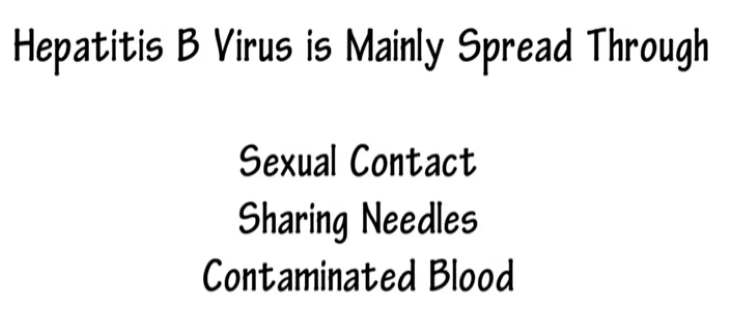
Tina Kimmel, Ph.D., a research scientist who has worked for the California Department of Public Health … said she and her medical colleagues were stunned when California began requiring a hepatitis B vaccine to all newborns, regardless of risk.“ They were all very pro-vaccine,” she said, “but this was over the line … Hepatitis B was a disease spread in the U.S. primarily through unsafe sex and intravenous drug use … The disease was almost unknown among young, non-immigrant children in California. ”While giving the hepatitis B vaccine to immigrants from countries where the disease is endemic, particularly in Asia, was an evidence-based practice, Kimmel and her colleagues argued that the evidence did not support its routine use for all infants. “We knew we would be giving three doses each to a half a million children a year and it was likely to cause more morbidity from the vaccine itself than any disease it was likely to prevent,” Kimmel said. “We knew that from the get-go but we were powerless to stop this worrisome, pointless, and expensive mandate, which apparently was driven by pharmaceutical profits through corruption at the C.D.C.”
The ACIP decision is a baby step.
Unfortunately, they did not vote to completely remove the hepatitis B vaccine from the recommended schedule. Just the newborn dose.
But it’s a baby step that bodes well for the future of our nation’s health. The time to stop poisoning our children is now.
Bravo, ACIP. For once you’re actually factually saving babies’ lives.

About the author: Jennifer Margulis, Ph.D., is an award-winning science journalist, Fulbright grantee, and sought-after speaker.
She writes a popular Substack that has over 20,000 subscribers, Vibrant Life, and is a regular contributor to The Epoch Times. A different version of this article first appeared in print in the magazine Radiant Life.

Bioregulatory medicine is a total body (and mind) approach to health and healing that aims to help facilitate and restore natural human biological processes. It is a proven, safe, gentle, highly effective, drugless, and side-effect-free medical model designed to naturally support the body to regulate, adapt, regenerate, and self-heal. BRMI is a non-commercial 501(c)(3) foundation and will expand and flourish with your support. Our goal is to make bioregulatory medicine a household term.
This article is for informational purposes only and is not intended to be a substitute for the direct care of a qualified health practitioner who oversees and provides unique and individualized care. The information provided here is to broaden our different perspectives and should not be construed as medical advice, diagnosis, or treatment.