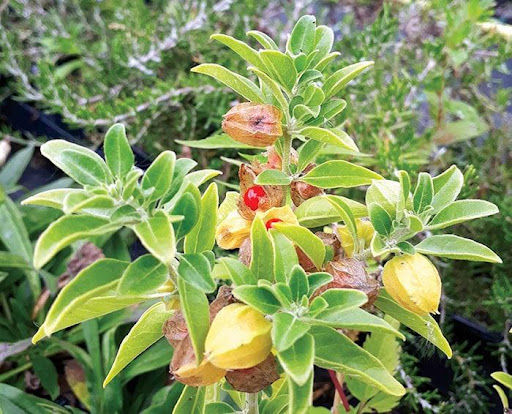
Astragalus Root in Bioregulatory Medicine: Mechanisms, Clinical Research, and Holistic Applications

BRMI Staff
From ancient tonic root to modern immunological and mitochondrial regulator
Introduction
High on the sun-washed hillsides of Northern China and Mongolia grows a modest leguminous plant whose golden root has shaped centuries of restorative medicine. Astragalus membranaceus—known in TCM as Huang Qi, meaning “yellow leader”—has long been revered as a botanical capable of restoring vitality at the deepest levels of human physiology.
Its fibrous, honey-toned root slices were traditionally dried and simmered in broths to replenish qi (vital life force), strengthen resilience, fortify digestion, and protect the body against exhaustion and chronic depletion.
Today, Astragalus occupies a unique position at the intersection of traditional vitality medicine and modern bioregulatory science. It is simultaneously an ancient tonic herb and a modern immunomodulatory agent with profound effects on mitochondrial health, glucose metabolism, renal protection, epithelial barrier integrity, cytokine cascades, chemotherapeutic tolerance, and even telomere biology.
Its pharmacology spans polysaccharides, triterpenoid saponins, flavonoids, and a constellation of phytochemicals that collectively act on innate immunity, neuroendocrine signaling, oxidative balance, inflammatory transcription factors, extracellular matrix dynamics, and epigenetic pathways—a breadth few botanicals command.
What follows is a premium, long-form scientific monograph that synthesizes the full traditional, clinical, biochemical, and mechanistic landscape of Astragalus, woven into a cohesive narrative aligned with bioregulatory principles.
Basic Background
Botanical Name: Astragalus membranaceus (syn. Astragalus propinquus)
Common Names: Huang Qi (Yellow Leader)Milkvetch rootBei QiOgi (Japan)
Plant Family: Fabaceae (Leguminosae family)
Botanical Diversity
More than 3,000 species of Astragalus exist, though A. membranaceus and A. mongholicus are the primary medicinal types.
Native Habitat & Distribution
Native to Northern China, Inner Mongolia, and parts of Siberia
Thrives in dry, open, grassy regions at high elevation
Now cultivated across Asia, Europe, and select North American herbal farms
Physical Description
Perennial herb with pinnate leaves resembling other legumes
Pale-yellow, pea-like flowers
Root: long, cylindrical, woody, yellowish; faintly sweet aroma
Flavor: mildly sweet, earthy, slightly warming; often compared to sweet root vegetables
Parts Used
Primary: The root, harvested from mature plants (≥ 4 years); dried and cut into slices or granules.Leaves and aerial parts are rarely used medicinally.
Historical & Cultural Context
Astragalus has occupied a central place in Traditional Chinese Medicine (TCM) for more than 2,000 years. In classical theory, it restores wei qi—the protective defensive energy that guards the body against pathogens. It was considered a premier herb for individuals who were pale, fatigued, easily wind-struck, or chronically depleted.
Traditional Uses Across Global Medical Systems
TCM
Tonifies qi and blood
Strengthens the Lung and Spleen systems
Consolidates the exterior (enhances immunity)
Promotes tissue regeneration and wound healing
Benefits edema, wasting disorders, chronic fatigue, prolapse, spontaneous sweating
Historically combined with ginseng, angelica, licorice, and other tonics
Ayurveda
While not traditionally Indian, Astragalus was later integrated into Ayurvedic-inspired systems for:
Ojas-building (life essence)
Strengthening Agni without overheating
Supporting prana (vital breath) and Vata depletion
Traditional Mongolian & Siberian Medicine
Used for:
Stamina
Recovery after illness
Wound repair
Enhancing fertility and vitality in livestock and humans
Classical European Herbalism (later integration)
Adopted as an:
Adaptogen
Immune tonic
Convalescence support
Remedy for “nervous weakness” or exhaustion
Historic Preparations
Decoctions in soups or broths
Powders in honey electuaries
Tinctures
Ash remnants or root poultices for wound healing
Long infusions combined with other tonics
Astragalus was culturally understood as an herb for the “long life profile”—strengthening what is weakened, defending against what is invasive, and restoring what has been lost.
Biochemical & Therapeutic Components
The pharmacology of Astragalus is extraordinarily rich. Its root contains:
Key Active Compounds
Polysaccharides (Astragalus polysaccharides, APS)
Triterpenoid saponins — especially astragalosides I–IV
Flavonoids — calycosin, formononetin, calycosin-7-O-β-D-glucoside
Alkaloids (trace levels)
Amino acids, lignans, trace minerals
How These Compounds Work
Polysaccharides (APS)
Potent immunomodulators
Activate TLR4-MAPK signaling (but in a regulated, terrain-supportive manner)
Enhance macrophage, lymphocyte, NK cell activity
Reduce NF-κB activation (primary inflammatory transcription factor)
Improve glucose and lipid metabolism
Modulate gut–immune cross-talk and barrier defense
Improve iron homeostasis via hepcidin and IL-6 regulation
Saponins (Astragalosides)
Influence mitochondrial ATP production
Regulate Wnt/β-catenin (bone and tissue regeneration)
Regulate Notch1/Hes1 signaling (cardioprotection, cellular differentiation)
Enhance fibrinolytic activity (↑ t-PA, ↓ PAI-1)
Modulate mTOR signaling
Reduce VEGF-driven angiogenesis in tumors
Improve neuronal signaling and cholinergic receptor density
Support telomerase activity (controversial but studied)
Flavonoids
Antioxidant and anti-inflammatory
Vasoprotective and estrogenically active
Influence microcirculation and lipid metabolism
Energetics (Traditional Perspective)
Warming
Qi-tonifying, especially Spleen and Lung
Drying but gently
Strengthens defensive and constitutional energy
Pharmacological Actions
Adaptogen
Immunomodulator
Anti-inflammatory
Antioxidant
Cardioprotective
Neuroprotective
Antiviral
Renoprotective
Anti-fibrotic
Anti-tumor (preclinical, mechanistic)
Mechanisms of Action
Astragalus influences:
Cytokine cascades (IL-1β, IL-6, IL-18, TNF-α)
TLR4–MAPK pathways
NF-κB inhibition
Wnt/β-catenin and Notch1 pathways
Mitochondrial antioxidative enzymes
Nitric oxide balance
VEGF signaling
S phase and G2/M cell cycle arrest in cancer cells
O-glycosylation in IgA nephropathy
CD4+ CD25+ Foxp3+ T regulatory cell levels
Few botanicals possess such multidomain influence.
Modern Scientific Research on Astragalus Root
Astragalus is one of the most studied herbs in TCM pharmacopeia, especially in immunology, nephrology, oncology, cardiology, and metabolic disorders.
Evidence-Based Benefits
1. Immunomodulation & Viral-Type Responses
In healthy individuals, Astragalus:
Increased monocytes, neutrophils, lymphocytes, and platelets
Enhanced circulating cytokines
Induced self-limited symptoms reminiscent of viral activation (fatigue, mild headache), consistent with an upregulated but balanced immune response
2. Renal Protection
Meta-analyses and clinical studies show Astragalus improves:
Proteinuria & albuminuria
Serum creatinine
Residual renal function in dialysis patients
Injectable forms appear particularly effective in:
IgA nephropathy (improving IgA1 O-glycosylation)
Diabetic kidney disease
3. Metabolic Effects
In diabetic rat models:
Improved glucose and lipid metabolism
Reduced insulin resistance
Balanced ROS/NO ratios in cardiac tissue
4. Cardiovascular Effects
Astragaloside IV:
Activates Notch1/Hes1 for cardioprotection
Enhances fibrinolysis (↑ tPA, ↓ PAI-1)
Upregulates KLF2 mRNA and inhibits NF-κB (anti-inflammatory, antithrombotic)
5. Neuroprotective Effects
APS and saponins:
Increase M-cholinergic receptor density
Act as nerve growth–promoting factors
Improve memory in senile animal models
6. Oncology Research
Although largely preclinical, findings include:
Suppression of cancer cell proliferation via:
Histone regulation
Chromosome organization interference
COX-2 and mTOR modulation
G2/M cell cycle arrest
Downregulation of:
VEGF
MMP-2, MMP-9
Enhanced tumoricidal effect of interleukin-2
Reduced toxicity of:
Fluorouracil
Oxaliplatin
Vinblastine
Improvements in:
Cancer-related fatigue
GI side effects of chemotherapy
Quality of life in metastatic cancer patients
7. Fatigue Reduction
TCM formulas containing Astragalus have reduced fatigue in:
Athletes (via enhanced oxygen utilization)
Stroke patients
Individuals with cancer
Controversies & Gaps in Research
Telomerase activation is suggested but debated
Injectable forms show stronger effects than oral forms—raising questions about bioavailability
Estrogenic flavonoids may interact with hormone-sensitive conditions
Antioxidant effects theoretically may interfere with certain chemotherapies, though this remains speculative
Therapeutic Applications of Astragalus Root in Bioregulatory Medicine
Modern Clinical and Bioregulatory Applications
Astragalus is broadly used for:
Immune Support
Frequent infections
Low vitality
Post-viral fatigue
Immune insufficiency syndromes
Metabolic & Endocrine Support
Insulin resistance
Mild hyperglycemia
Metabolic syndrome patterns
Fatigue linked to adrenal dysregulation
Cardiovascular Stability
After cardiac injury
Endothelial dysfunction
Microcirculatory stagnation
Low-grade inflammatory patterns
Kidney Terrain Support
Especially when:
Albuminuria or proteinuria are present
There is diabetic kidney strain
Chemotherapy has impacted renal filtration
Dialysis patients require preservation of residual renal function
Oncological Terrain
Not as a cure, but as terrain support:
Enhancing vitality
Reducing treatment side effects
Improving appetite and strength
Supporting immune resilience during therapy
Neurocognitive Support
Aging-related memory decline
Brain fog associated with inflammatory states
Nervous exhaustion
Energetic Indications (TCM/Bioregulatory)
Most helpful for people who are:
Depleted
Pale, fatigued, or chilled
Weak after chronic stress or illness
Recovering slowly
Experiencing spontaneous sweating or prolapse
Prone to frequent respiratory infections
Emotional & Psycho-Spiritual Correlates
Astragalus is traditionally associated with:
Strengthening personal boundaries
Rebuilding core vitality and resilience
Enhancing emotional stamina
Supporting individuals who feel “leaky,” overwhelmed, or underprotected
Synergistic Herbs
Pairs well with:
Panax ginseng (qi and stamina)
Angelica sinensis (blood nourishing)
Reishi (immune modulation)
Schisandra (endurance, liver support)
Licorice (harmonizing herb)
Cordyceps (respiratory stamina)
Preparation & Formulas
Astragalus root is highly versatile and well suited to daily tonic consumption.
Primary Preparation Methods
Decoction (traditional): simmer root slices 20–60 minutes
Broths & soups: added to longevity soups
Tinctures: 1:5 or 1:3 preparations
Powders: mixed into teas or smoothies
Capsules: standardized extracts
Topical applications: poultices for wound healing (historically)
Simple Usage Examples (Non-medical)
Add 10–30 g dried slices to bone broth
Include ½–1 tsp powdered root in teas
Use tincture drops in endurance formulas
Combine with reishi for long-term vitality support
Safety & Precautions
Astragalus is generally very safe—one of the most tolerated herbs in TCM.
Contraindications
Acute infections with high fever (traditionally avoided)
Post-transplant patients or those on immunosuppressants (due to immune activation)
Hormone-sensitive cancers (due to flavonoid estrogenic activity—caution only)
Medication Interactions
Theoretical interactions with:
Immunosuppressive drugs
Chemotherapies relying on oxidative stress (data is preclinical, not clinical)
Pregnancy/Breastfeeding
Traditionally used, but modern data limited—use only under qualified guidance.
Signs of Overuse
Headache
Mild fatigue (from immune activation)
Loose stools in very high doses
General Dosage Notes
As a tonic herb, Astragalus is often taken long-term at moderate doses within a broader formula.
Identification & Foraging Notes
Identification
Perennial herb, 25–60 cm tall
Leaves: pinnate, legume-like
Flowers: pale yellow, pea-like
Seedpods: hairy, elongated
Root: tough, fibrous, yellowish interior
Lookalikes
Some Astragalus species are toxic (“locoweeds”)
Foraging is not recommended unless expert identification is certain
Only A. membranaceus and A. mongholicus are medicinal
Novel or Lesser-Known Insights
Astragalus research has exploded in the last decade, producing fascinating findings:
1. Telomere Biology
Astragaloside IV has been studied for supporting telomerase activity, though data is preliminary and debated.
2. Extracellular Matrix (ECM) Modulation
APS may influence matrix remodeling and inflammatory signaling within connective tissue compartments.
3. Iron Metabolism
Astragalus helps regulate multiorgan iron overload through IL-6–hepcidin modulation and p38 MAPK activation.
4. Mitochondrial Reserve Capacity
Polysaccharides stabilize mitochondrial membranes and improve ATP generation—one reason for its anti-fatigue effects.
5. Advanced Immunological Modulation
Enhances:
T regulatory cell counts
NK cell function
Macrophage phagocytosis
Balanced Th1/Th2 immune expression
6. Combination Therapy Synergy
Astragalus saponins enhance efficacy while reducing toxicity of certain chemotherapeutics in preclinical models—an uncommon dual benefit.
Practical Application for Readers
Astragalus is one of the most user-friendly, safe, accessible tonic herbs for daily wellness.
Beginner-Friendly Ways to Use Astragalus
Add dried slices to soups or broths
Use powder in morning teas for gentle stamina
Combine with medicinal mushrooms for immune tone
Use during seasonal transitions for added resilience
Add to recovery formulas after travel, stress, or exertion
Astragalus shines in slow, steady, foundational rebuilding—whether of physical vitality, immune robustness, metabolic balance, or emotional resilience.

Bioregulatory medicine is a total body (and mind) approach to health and healing that aims to help facilitate and restore natural human biological processes. It is a proven, safe, gentle, highly effective, drugless, and side-effect-free medical model designed to naturally support the body to regulate, adapt, regenerate, and self-heal. BRMI is a non-commercial 501(c)(3) foundation and will expand and flourish with your support. Our goal is to make bioregulatory medicine a household term.
This article is for informational purposes only and is not intended to be a substitute for the direct care of a qualified health practitioner who oversees and provides unique and individualized care. The information provided here is to broaden our different perspectives and should not be construed as medical advice, diagnosis, or treatment.