Blushwood: The Rainforest Tree That’s Rewriting Cancer Treatment

BRMI Staff
When Animals Know Better Than We Do
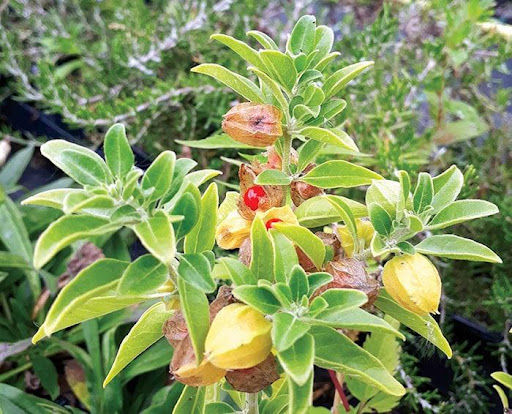
There’s a tree growing in the remote rainforests of northeastern Australia that caught scientists’ attention for a peculiar reason: animals would eagerly eat its bright red berries—but consistently avoid the seeds. That avoidance turned out to be a lifesaving clue. Inside those rejected seeds lies one of the most intriguing natural cancer therapies discovered in recent decades—a compound so potent it can rapidly destroy tumors when injected directly into them.
Welcome to the story of Blushwood (Fontainea picrosperma), the Australian rainforest tree that’s challenging long-held assumptions about how cancer can be treated.
The Discovery That Almost Didn’t Happen
Blushwood (Fontainea picrosperma) is endemic to a small, high-altitude region of northeastern Queensland’s Atherton Tablelands, growing only between roughly 400 and 1,100 meters—and nowhere else on Earth. The region has been continuously inhabited by Indigenous Australians for tens of thousands of years, whose traditional ecological knowledge included awareness of the fruit’s unusually potent biological effects. That extreme geographic specificity highlights both the fragility of the ecosystem and why this discovery could only have emerged from careful observation within a living rainforest.
Researchers studying Queensland’s rainforests noticed a curious ecological pattern. Wildlife consumed the fruit of the Blushwood tree but avoided swallowing the seeds—likely because compounds within them can trigger gastrointestinal distress if ingested. That consistent avoidance raised an important question: what was so biologically active inside those seeds?
That observation led researchers in the early 2000s to isolate a compound they named tigilanol tiglate, also known as EBC-46. What they uncovered defied expectations: a naturally derived molecule capable of rapidly ablating tumors with a degree of precision rarely seen in oncology.
How Fast Are We Talking?
Here’s where Blushwood becomes genuinely remarkable. When injected directly into tumors, tigilanol tiglate can initiate visible tumor necrosis extremely rapidly—often within the first 24 hours.
In a pivotal veterinary study involving 123 dogs with mast cell tumors (the most common malignant skin tumor in dogs), a single intratumoral injection achieved complete tumor elimination in 75% of cases by Day 28. Many tumors darkened, shriveled, and detached, leaving behind healthy tissue that healed naturally.
These results led to FDA approval in 2020 of Stelfonta®, the first pharmaceutical therapy for canine mast cell tumors administered via direct tumor injection. For several years now, veterinarians across the United States, Europe, and Australia have used it as a nonsurgical alternative for appropriately selected tumors.
But the question everyone is asking is obvious: does it work in humans?
The Three-Way Attack: How Blushwood Is a Promising Cancer Treatment
Unlike chemotherapy—which circulates systemically and harms healthy tissue—tigilanol tiglate acts locally, through a coordinated three-pronged mechanism:
1. Vasculature Disruption (Starving the Tumor)
Tigilanol tiglate rapidly increases permeability in tumor blood vessels, leading to vascular collapse. Deprived of oxygen and nutrients, the tumor undergoes swift ischemic destruction—effectively cutting off its supply lines.
2. Rapid Inflammatory Tumor Cell Death
Rather than inducing orderly apoptosis, tigilanol tiglate triggers a fast, inflammatory form of tumor cell death with necrotic and pyroptotic features. Cells swell, rupture, and lose membrane integrity—creating an environment hostile to tumor survival.
3. Immune System Activation
Crucially, this mode of cell death is immunogenic. Dying tumor cells release danger signals that recruit immune cells—particularly CD8+ cytotoxic T cells—to the tumor site.
Biopsies taken after treatment show early markers of immunogenic cell death, followed by increased immune cell infiltration in treated tissue. In some cases, subsequent immune surveillance appears enhanced even beyond the injected lesion.
The Protein Kinase C Connection
These effects stem from tigilanol tiglate’s interaction with protein kinase C (PKC)—a family of enzymes that regulate vascular tone, inflammation, and cell survival.
Tigilanol tiglate belongs to a class of diterpene esters known to modulate PKC signaling. Ongoing research suggests it may preferentially influence certain PKC isoforms and downstream pathways, contributing to its localized, tumor-selective effects when delivered intratumorally.
The Human Trials: Cautious Optimism
Phase I: Safety First
In a first-in-human Phase I trial involving 22 patients with cutaneous or subcutaneous solid tumors, tigilanol tiglate was well tolerated. Ninety-six percent of adverse events were mild to moderate.
Among injected tumors:
4 patients (18%) achieved complete tumor ablation
2 patients (9%) had partial responses
10 patients (45%) experienced stable disease
These early results confirmed biological activity in humans and justified further development. Evidence of immune engagement was observed, though systemic immune effects remain an active area of investigation.
Phase IIa: Soft Tissue Sarcoma
In mid-2025, QBiotics announced Stage 1 results from a Phase IIa trial in advanced soft tissue sarcoma, a cancer notoriously resistant to treatment. In a small, early cohort:
80% objective response rate among evaluable patients
22 of 27 injected tumors showed complete or partial ablation
None of the 14 completely ablated tumors had recurred at six months
Several patients appeared to respond unusually well to subsequent systemic therapies
These findings are preliminary and based on small numbers—but they were strong enough for the FDA to grant Orphan Drug Designation for soft tissue sarcoma in February 2024.
Head and Neck Cancer
A Phase I/IIa study in 19 patients with head and neck squamous cell carcinoma successfully escalated dosing to 2.4 mg/m² without dose-limiting toxicities.
All injected tumors exhibited rapid hemorrhagic destruction, with minimal damage to surrounding normal tissue. A Phase II trial is now underway to evaluate efficacy, quality of life outcomes, and durability of response.
Beyond Cancer: The Wound-Healing Surprise
In a fascinating twist, compounds related to tigilanol tiglate also appear to promote wound healing.
Researchers developed a topical formulation containing EBC-1013, derived from Blushwood sap, to treat chronic infected wounds—particularly those complicated by bacterial biofilms.
In animal models, including burn wounds in calves, 75% of treated wounds healed within 28 days, compared to 25% of untreated controls. The compound disrupts biofilm architecture while triggering a controlled inflammatory response that supports immune-mediated repair.
Destroying tumors while promoting tissue regeneration is a rare duality—and speaks to the compound’s nuanced interaction with cellular signaling.
What Makes This Different From Chemotherapy?
Tigilanol tiglate differs fundamentally from systemic chemotherapy:
Local action only – injected directly into tumors
Rapid effect – tumor destruction begins within days
Immune activation – not suppression
No surgery required for suitable tumors
Natural healing – wounds typically close by secondary intention
Limitations and Cautions
This is not a cure-all.
Tigilanol tiglate is suited only for accessible, injectable tumors. It is not appropriate for:
Widely metastatic disease
Deep internal tumors
Blood cancers such as leukemia or lymphoma
In veterinary use, dogs must receive corticosteroids and H1/H2 blockers to reduce risks associated with mast cell degranulation.
The product labeling also includes a prominent human safety warning due to the risk of severe wound formation from accidental self-injection. This is powerful medicine that requires professional handling.
The Bigger Picture
Blushwood represents a profound shift in oncology—from systemic warfare to precision strikes as a cancer treatment.
By locally destroying tumors while simultaneously engaging the immune system, tigilanol tiglate hints at a future where cancer treatment is faster, more targeted, and biologically intelligent.
Combination trials with immune checkpoint inhibitors are now underway—a logical next step if localized tumor destruction can help “teach” the immune system what to attack.
The Bottom Line
Tigilanol tiglate is still investigational in humans. Questions remain about optimal dosing, best cancer targets, and long-term outcomes.
With rapid tumor ablation, strong veterinary success, encouraging early human data, and a scalable synthetic supply, this Australian rainforest discovery represents genuine promise—especially for patients with difficult-to-treat, accessible solid tumors.
And it all began by noticing something animals already knew: those seeds were powerful.
Science simply figured out how to use that power—precisely, locally, and with remarkable effect.
References
De Ridder, T. R., Campbell, J. E., Burke-Schwarz, C., Clegg, D., Elliot, E. L., Geller, S., Kozak, W., Pittenger, S. T., Pruitt, J. B., Riehl, J., White, J., Wiest, M. L., Johannes, C. M., Morton, J. M., Jones, P. D., Schmidt, P. F., Gordon, V., & Reddell, P. (2021). Randomized controlled clinical study evaluating the efficacy and safety of intratumoral treatment of canine mast cell tumors with tigilanol tiglate (EBC-46). Journal of Veterinary Internal Medicine, 35(1), 415–429. https://pubmed.ncbi.nlm.nih.gov/32542733/
U.S. Food and Drug Administration. (2020). FDA Approves First Intratumoral Injection to Treat Non-Metastatic Mast Cell Tumors in Dogs (STELFONTA®). FDA Center for Veterinary Medicine Press Release, November 16, 2020. https://www.fda.gov/animal-veterinary/cvm-updates/fda-approves-first-intratumoral-injection-treat-non-metastatic-mast-cell-tumors-dogs
Virbac. STELFONTA® (tigilanol tiglate injection): Product Information and Clinical Summary. https://vet-us.virbac.com/stelfonta
Jones, P. D., Campbell, J. E., Brown, G. K., Johannes, C. M., Reddell, P. W., et al. (2020). Recurrence-free interval 12 months after local treatment of mast cell tumors in dogs using intratumoral injection of tigilanol tiglate. Journal of Veterinary Internal Medicine. https://stelfonta.com/publications/
Cullen, J. K., Yap, P. Y., Ferguson, B., Bruce, Z. C., Koyama, M., Handoko, H., Johns, J., Stewart, P., Ogbourne, S. M., Reddell, P. W., & Boyle, G. M. (2023). Tigilanol tiglate is a small-molecule oncolytic that disrupts tumor vasculature, causes tumor cell death, and induces immunogenic cell infiltration. Journal for ImmunoTherapy of Cancer, Supplement. https://jitc.bmj.com/content/11/Suppl_1/A1200
Fontainea picrosperma (Blushwood tree). Wikipedia. https://en.wikipedia.org/wiki/Fontainea_picrosperma
Institute of Cancer Research. (2025). ICR and life sciences company QBiotics launch collaboration to study potential cancer drug derived from rainforest tree species. https://www.icr.ac.uk/about-us/icr-news/detail/icr-and-life-sciences-company-qbiotics-launch-new-collaboration-to-study-potential-cancer-drug-derived-from-rainforest-tree-species
Stanford University News. (2022). Breakthrough in production of acclaimed cancer-treating drug derived from the blushwood tree. https://news.stanford.edu/stories/2022/10/breakthrough-production-acclaimed-cancer-treating-drug
Miller, J., Campbell, J., Blum, A., Reddell, P., Gordon, V., Schmidt, P., & Lowden, S. (2019). Dose characterization of the investigational anticancer drug tigilanol tiglate (EBC-46) in the local treatment of canine mast cell tumors. Frontiers in Veterinary Science. https://pmc.ncbi.nlm.nih.gov/articles/PMC6499228/
Brown, G. K., et al. (2021). Intratumoural treatment of cytologically diagnosed canine high-grade mast cell tumours with tigilanol tiglate. Frontiers in Veterinary Science. https://www.frontiersin.org/articles/10.3389/fvets.2021.675804/full
Reddell, P. W., De Ridder, T. R., Morton, J. M., Jones, P. D., Campbell, J. E., & Brown, G. K. (2021). Wound formation, wound size, and progression of wound healing after intratumoral treatment of mast cell tumors in dogs with tigilanol tiglate. Journal of Veterinary Internal Medicine. https://www.frontiersin.org/articles/10.3389/fvets.2021.764800/full

Bioregulatory medicine is a total body (and mind) approach to health and healing that aims to help facilitate and restore natural human biological processes. It is a proven, safe, gentle, highly effective, drugless, and side-effect-free medical model designed to naturally support the body to regulate, adapt, regenerate, and self-heal. BRMI is a non-commercial 501(c)(3) foundation and will expand and flourish with your support. Our goal is to make bioregulatory medicine a household term.
This article is for informational purposes only and is not intended to be a substitute for the direct care of a qualified health practitioner who oversees and provides unique and individualized care. The information provided here is to broaden our different perspectives and should not be construed as medical advice, diagnosis, or treatment.