Chasteberry (Vitex agnus-castus): The Complete Evidence-Based Botanical Guide to Hormonal Balance, PMS Relief, and Women's Reproductive Health

BRMI Staff
There's a plant with two thousand five hundred years of unbroken use in women's medicine. It was sacred to Greek goddesses. Medieval monks ground it into a daily condiment, hoping to cool the fires of desire. It was nearly forgotten by the nineteenth century — and then quietly rediscovered by European clinicians in the mid-twentieth, who began testing it in randomized trials that would eventually lead to a German Commission E approval still in effect today.
It doesn't work the way most people assume. It doesn't contain hormones. It doesn't mimic estrogen — or at least, that isn't its primary story. What it does is far more elegant, and far more interesting: it speaks directly to the dopamine receptors in your pituitary gland, nudging a cascade of neuroendocrine signals that ripple outward through your entire hormonal landscape.
Meet Vitex agnus-castus. Known variously as chasteberry, chaste tree, and monk's pepper. One of the most thoroughly researched gynecological botanicals in the Western herbal tradition. And still, after all this time, not fully understood.
Basic Background — The Plant Itself
Botanical Identity: A Name That Carries Its Own History
Latin binomial: Vitex agnus-castus L.
The name is worth unpacking because it tells you so much. Vitex comes from the Latin vieo, meaning "to weave or bind" — a nod to the plant's long, pliable branches that were traditionally woven into baskets and garlands. Agnus is Greek for "lamb" (innocent, pure), while castus is Latin for "chaste." The name thus literally doubles down on chastity, once in Greek and once in Latin — a reflection of just how thoroughly this plant was identified with sexual restraint in the ancient world.
Synonyms: Agnus castus, Vitex agnus, Vitex verticillata, Vitex verticillata Lam.
Common names: Chasteberry, chaste tree, chaste tree berry, monk's pepper (the most evocative), Abraham's balm, lilac chastetree, agnus castus, hemp tree (for its palmate leaves), and in some Spanish-speaking traditions, Vencedor — meaning "the winner" or "the victorious one."
Plant family: Lamiaceae (the mint family). Modern molecular taxonomy has reclassified Vitex from the older Verbenaceae designation, placing it firmly among the aromatic labiates — alongside lavender, rosemary, lemon balm, and sage. This botanical neighborhood is relevant: the Lamiaceae are disproportionately represented in medicine, and many of its members share aromatic diterpene chemistries that prove bioactive in the human nervous system.
Notable relatives within Vitex: The genus contains approximately 250 species, nearly all tropical or subtropical. Vitex agnus-castus is one of the rare temperate species, and the only member of the genus that has undergone clinical trials in humans. Other species — Vitex negundo, Vitex trifolia, Vitex doniana — are used regionally in African, Indian, and East Asian traditional medicine, but their clinical research base remains thin by comparison.
Where It Lives — and Why It Thrives on the Margin
Chasteberry is native to the Mediterranean basin and Central Asia, from Portugal in the west through the Levant, Turkey, and the Caucasus into Iran and the western Himalayas. It is a plant of edges and thresholds: riverbanks, dry rocky slopes, coastal scrubland, and the margins of fields. It does not dominate; it colonizes the in-between.
Today it is naturalized throughout much of Europe, North America (particularly the American South and California), South America, Australia, and parts of East Asia. In the American Southeast, it has become a familiar ornamental — gardeners prize it for its late-summer columns of lavender-blue flower spikes that bloom when most other shrubs have finished. In Australia it has naturalized so thoroughly in some areas as to be considered an environmental weed.
This is a hardy plant. It tolerates drought, poor soil, full sun, and coastal winds. In Mediterranean climates it behaves as a large deciduous shrub; in warmer zones it can reach 5–6 meters and take on the character of a small tree.
What It Looks Like — and Smells Like
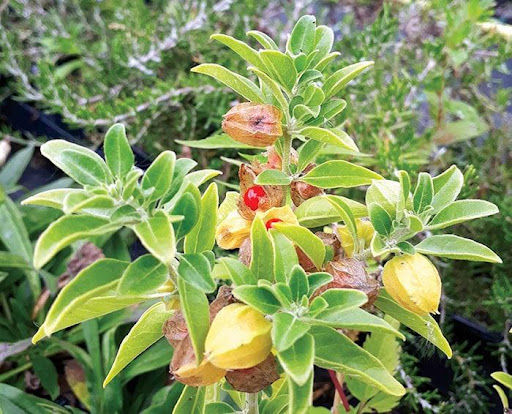
This is an aromatic shrub with character. The leaves are palmate (finger-shaped), typically with five to seven narrow leaflets arranged like a hand, strongly reminiscent of hemp (Cannabis sativa) leaves — a resemblance that can cause momentary confusion for the uninitiated. The entire plant has a distinctive, pleasantly sharp, resinous scent — not unlike a cross between eucalyptus and black pepper, with a faintly fruity undertone. Crush a leaf between your fingers and the fragrance intensifies.
In late summer (July to September in the Northern Hemisphere), the plant produces upright spikes of small, tubular flowers in shades ranging from pale lavender to deep violet or, less commonly, white. These are pollinator magnets — butterflies, bees, and hummingbirds visit reliably.
The fruits mature from green to black, roughly the size and shape of peppercorns. This is key: the dried fruit resembles black pepper closely enough that medieval monks were said to sprinkle it on their food as a condiment, supposedly to maintain their vows. Tasted fresh off the plant, the berries are surprisingly complex — simultaneously pungent, slightly bitter, peppery, and faintly sweet. Dried and ground, they have historically been used as a spice substitute.
Parts Used — and Why the Fruit
Medicinally, the dried ripe fruits (berries) are the primary part used. This is where the highest concentrations of therapeutically active compounds accumulate — the diterpenes, flavonoids, iridoid glycosides, and essential oils that define the plant's pharmacological profile.
The leaves and flowers have documented historical uses (the leaves appear in some traditional wound preparations; the flowers were strewn at festivals), but modern herbalism and all clinical research focus on the fruit extract. When a label reads "chasteberry extract," it should mean an extract of the dried fruit, not the leaf or root.
Historical and Cultural Context — Two and a Half Millennia of Use
Ancient Greece: Goddess Plant, Festival Herb, and Physician's Tool
The story of chasteberry begins in ancient Greece, and it begins with women. The plant — known then as ágnos (ἄγνος) — appears in the writings of Theophrastus (around 350 BCE), who mentioned it multiple times in his Enquiry into Plants. The philosopher-botanist noted it with the kind of familiarity that suggests common knowledge. It was already woven into the culture.
Every autumn, Greek women observed the Thesmophoria — a festival honoring Demeter, goddess of the harvest and sacred cycles, from which men were categorically excluded. During this festival, women reportedly strewed chasteberry leaves and branches on the ground to sleep upon, weaving them into rough mats. The scholarly interpretation is layered: the plant signaled ritual purity, but the choice of this particular plant may have carried gynecological pragmatism as well. Women keeping vigil on Vitex-strewn mats, experiencing temporary hormonal shifts — the ancient connection between the plant and the female cycle was not purely symbolic.
Hippocrates, writing around 400 BCE, recommended chasteberry for inflammation and for managing wounds. A century later, Dioscorides — perhaps the most influential pharmaceutical botanist in Western history — described it explicitly as useful for increasing lactation and for reducing uterine inflammation. This is historically significant: Dioscorides' Materia Medica served as the pharmacopoeial reference for European medicine for over a thousand years.
The Romans knew it as salix marina and piper silvestre (wild pepper), and used a drink prepared from the seeds with the intention of diminishing sexual desire. Young women celebrating the festival of Demeter wore chasteberry blossoms to signal their ritual chastity.
The plant was also sacred to Hera, goddess of marriage and childbirth, and to Hestia/Vesta, virgin goddess of the hearth. The full weight of the Greek and Roman theological imagination around female virtue, reproductive life, and domestic order was projected onto this small shrubby plant with peppercorn fruits. That projection would follow it into the Middle Ages.
The Monastery Connection: How Monks Made It Famous (and Misunderstood)
Here is where the history takes a fascinating, and slightly ironic, turn.
In the late Middle Ages in Europe, the use of Vitex agnus-castus was introduced into celibate clerical communities for its supposed usefulness in reducing unwanted sexual libido. Monks carried the dried berries in their pockets, scattered them in their cells, ground them into their food. The name "monk's pepper" is not a modern invention: it was the vernacular term used across medieval Europe for the plant that supposedly kept vows intact.
The irony is rich. A plant that women had used for millennia to support their hormonal and reproductive health — to regulate cycles, ease menstrual difficulty, encourage lactation — was adopted by celibate men as an anaphrodisiac. The mechanism claimed was the same (dopamine modulation, hormonal influence), but the application was inverted. And while modern science has confirmed the plant's genuine neuroendocrine activity, the "libido suppression" effect in healthy men remains anecdotally claimed and scientifically undemonstrated.
Chasteberry was widely used by medieval European monks as an anaphrodisiac to promote celibacy, where they would include it in their diet or carry dried berries around in their robes. Meanwhile, European herbalists of the same period — the Hildegard von Bingens and the vernacular healers who tended women through childbirth, menstruation, and menopause — continued to use it for its older gynecological applications.
The Nineteenth Century Gap — and the Twentieth Century Return
The nineteenth century was not kind to most traditional plant medicines, and chasteberry was no exception. The rise of pharmaceutical medicine, the systematic dismissal of botanical knowledge, and the reorganization of medical authority in Europe pushed Vitex largely out of professional use for roughly a hundred years.
After vanishing in the 19th century, the pharmacological use of Vitex agnus-castus has reemerged in Europe in the last six decades — driven initially by German pharmaceutical botanists and eventually supported by clinical trial evidence. The German Commission E, which evaluates botanical medicines with a rigor comparable to pharmaceutical drug review, formally approved Vitex agnus-castus for the treatment of irregularities of the menstrual cycle, premenstrual disturbances, and mastodynia (cyclic breast pain). That approval holds today.
Traditional Use in Other Systems
The plant's reach extends beyond Mediterranean and European traditions. In Ayurvedic medicine, Vitex species are known as nirgundi or shephali, used for neurological disorders, fever, and joint complaints — though the specific species most used in Ayurveda is Vitex negundo rather than agnus-castus. In African traditional medicine, the plant known as Vencedor in Afro-Caribbean Palo Mayombe and Santería practices is associated with Obatalá, King of the White Cloth, and connected to clarity, victory, and purity — a symbolic continuity with its Mediterranean associations that may be more than coincidence.
In Turkish folk medicine, Vitex agnus-castus has been documented in active use in Aydın province for menstrual and menopausal symptoms — a living thread connecting contemporary Anatolian practice to the ancient Greek medical tradition that grew up in the same landscape.
Biochemical and Therapeutic Components — What's Actually in There
The Chemistry of Complexity
Here is where things get scientifically interesting — and where much of the public discourse around chasteberry gets it wrong. Vitex is commonly described in popular media as a "hormone-balancing herb" or even a "natural progesterone." Neither description is accurate, and both obscure the actual mechanism, which is more elegant and more remarkable than either.
To date, 24 distinct phytoconstituents have been isolated from the fruits of Vitex agnus-castus, including 10 flavonoids, 5 terpenoids, 4 phenolic, 3 neolignan compounds, 1 glyceride, and 1 labdane-diterpene. But let's not get lost in the taxonomy. The major therapeutic compound classes, and what they actually do, are what matter.
Diterpenes: The Neuroendocrine Keys
This is the class that makes chasteberry uniquely itself.
The diterpenes (a class of fat-soluble plant compounds with four isoprene units, built from a 20-carbon skeleton) present in Vitex agnus-castus include rotundifuran, vitexilactone, 6-beta,7-beta-diacetoxy-13-hydroxy-labda-8,14-diene, and several related clerodadienol-scaffold compounds. The specific structural feature that matters — the clerodadienol scaffold — is a particular arrangement of carbon rings and functional groups that turns out to have a very precise biological key: it fits into the dopamine D2 receptor.
Pre-clinical studies suggest that extracts prepared from the fruits of Vitex agnus castus interact with dopamine D2 receptors, leading to reduced prolactin secretion. Diterpenes featuring a clerodadienol scaffold were identified as major active compounds.
Why does this matter? Because dopamine (a neurotransmitter best known for pleasure, motivation, and reward) is simultaneously the brain's primary signal for suppressing prolactin release. Dopamine acts as what physiologists call a "prolactin-inhibiting factor" — when dopamine binds to D2 receptors on lactotroph cells in the anterior pituitary gland, prolactin production is inhibited. When dopamine signaling is insufficient (from stress, poor sleep, certain medications, or constitutional factors), prolactin levels rise — and elevated prolactin disrupts the normal menstrual cycle, suppresses progesterone production in the luteal phase, and can cause cyclic breast pain.
Chasteberry's diterpenes appear to act as partial dopamine agonists (molecules that activate a receptor, but not as completely as the body's own neurotransmitter would). They speak to the D2 receptor in the pituitary in a language the receptor recognizes — gently, and without the side effects of pharmaceutical dopamine agonists like bromocriptine.
The most detailed recent work on this mechanism comes from Reinhardt et al. (2024), published in the International Journal of Molecular Sciences. Using advances in chromatography, Reinhardt and colleagues re-examined this topic using HPLC-based tracking of bioactivity via microfractionation of the Vitex agnus castus extract Ze 440, measuring dopaminergic activity in CHO-K1 cells that overexpress the human D2 receptor.
Six diterpenes were isolated from two active HPLC microfractions. This is the first study to characterize the full potency and intrinsic activity of individual diterpene fractions at the human D2 receptor using a functional bioassay — a significant methodological advance over the earlier radioligand binding work that first described this mechanism.
Flavonoids: The Vascular and Estrogenic Layer
The flavonoids in chasteberry — including casticin, vitexin, isovitexin, orientin, and kaempferol — contribute a secondary therapeutic layer that is distinct from the diterpene-dopamine story.
Casticin and kaempferol have demonstrated estrogen receptor-binding activity in laboratory studies, acting as what are called "phytoestrogens" (plant compounds that weakly mimic estrogen's effects by binding to estrogen receptors). This is a different mechanism from the dopamine pathway, and it may explain some of chasteberry's reported benefits in perimenopausal women whose estrogen is declining. However — and this is important — the estrogenic activity of chasteberry's flavonoids is orders of magnitude weaker than endogenous estrogen, and the herb should not be thought of as an estrogen substitute. The relationship is more modulatory than substitutive.
Vitexin and isovitexin are C-glycosylflavones with anti-inflammatory and antioxidant properties. They also show activity at GABA-A receptors (the main inhibitory receptor in the brain — the same one targeted by benzodiazepines, though chasteberry acts at different subunits with milder effects), which may contribute to the anxiolytic and mood-modulating effects reported anecdotally by many women using the herb.
Iridoid Glycosides: The Anti-inflammatory Backbone
Agnuside and aucubin are the primary iridoid glycosides (a class of bitter-tasting compounds that are common across the mint family). These compounds bring anti-inflammatory and mild analgesic properties to chasteberry's pharmacological profile. Aucubin in particular has been well-studied in other plant contexts for hepatoprotective (liver-protective) and anti-inflammatory effects. In the context of chasteberry, the iridoids likely support the herb's traditional use for inflammation-related menstrual discomfort.
Essential Oils: The Aromatic Signature
The essential oil fraction of Vitex agnus-castus — which gives the plant its characteristic peppery, resinous scent — contains 1,8-cineole, sabinene, trans-beta-farnesene, beta-caryophyllene, and other terpene compounds. These volatile oils contribute to the plant's aromatic identity and may have minor antimicrobial and anti-inflammatory contributions to the whole-plant action, though they are not considered primary therapeutic components.
Energetics in the Western Herbal Tradition
Traditional Western herbalism characterizes chasteberry as energetically cooling and drying, with a tropism (affinity) for the reproductive and neuroendocrine systems. In the older humoral framework, the plant was thought to act on the "phlegmatic" constitution — particularly individuals with excess moisture, sluggish cycles, and hormonal stagnation. Its bitterness signals a downregulating quality — reducing excess, normalizing what has become disordered.
The bitter taste profile is particularly significant in traditional assessment: bitter plants are associated with liver support, digestive stimulation, and hormone-clearing action. This aligns with modern understanding that bitter compounds often support hepatic (liver) metabolism of hormones — relevant because the liver is the primary site of estrogen and progesterone conjugation and excretion.
The Full Pharmacological Action Profile
In summary, Vitex agnus-castus acts as a dopaminergic agent (activates D2 receptors to suppress prolactin), a mild phytoestrogen (flavonoid-mediated estrogen receptor modulation), an opioidergic modulator (Vitex extracts show affinity for opioid μ, δ, and κ receptors, potentially contributing to mood and pain relief), an anti-inflammatory (iridoids and flavonoids), a luteal phase support herb (by normalizing prolactin, it indirectly enables progesterone production), and a mild nervine (GABA-A modulation, mood support).
It is, in short, a neuroendocrine herb. Not a hormone. A modulator of the signaling systems that control hormonal production.
Modern Scientific Research — What the Evidence Actually Shows
The Core Clinical Picture: PMS
Premenstrual syndrome (PMS) is the flagship indication for chasteberry, and here the evidence base is the most robust. Let's be honest about what that means: "robust" in the herbal medicine literature is not the same as "conclusive" by pharmaceutical trial standards. But it is, by the measure of what we typically expect from botanical medicine, genuinely impressive.
Schellenberg et al. (2001), published in the British Medical Journal (BMJ), conducted a randomized, double-blind, placebo-controlled trial in 178 women with PMS, comparing a dry extract of Vitex agnus-castus (Ze 440, 20 mg daily) against placebo for three menstrual cycles. The results showed statistically significant improvement across five core PMS symptom clusters: irritability, mood alteration, anger, headache, and breast fullness. Fifty-two percent of women in the treatment group reported more than 50% improvement in symptoms compared to 24% in the placebo group — a clinically meaningful difference.
Csupor et al. (2019) published a meta-analysis of double-blind randomized controlled trials in Complementary Therapies in Medicine specifically examining chasteberry in PMS. Although chasteberry (Vitex agnus-castus, VAC) has been studied in several clinical trials and is available as medicine for the alleviation of PMS symptoms, the efficacy of properly characterized preparations had not been previously assessed in a meta-analysis. Their analysis — following PRISMA guidelines and the PICOS format — focused specifically on properly characterized products (meaning standardized extracts with known composition), comparing responder rates (defined as meaningful reduction in Total Symptom Score or PMS Diary score). The random effects model yielded a summary relative risk that favored Vitex over placebo with statistical significance.
The caveat the authors themselves raise is important: although meta-analysis shows a large pooled effect of Vitex agnus castus in placebo-controlled trials, the high risk of bias, high heterogeneity, and risk of publication bias of the included studies preclude a definitive conclusion. This is honest science. The signal is there; the quality of the signal is imperfect.
Van Die et al. (2013) conducted a systematic review of 12 randomized controlled trials, finding eight investigating PMS, two investigating premenstrual dysphoric disorder (PMDD — the more severe form), and two investigating latent hyperprolactinemia (elevated prolactin without a pituitary tumor). The majority of trials showed benefit; methodological quality varied.
Premenstrual Dysphoric Disorder (PMDD)
PMDD is PMS's more severe sibling — characterized by mood disturbances severe enough to impair functioning. The limited trial evidence suggests chasteberry may help, but the evidence is thinner here. Atmaca et al. (2003) conducted a small randomized trial comparing Vitex to fluoxetine (an antidepressant often prescribed for PMDD) and found both treatments effective, with fluoxetine outperforming on psychological symptoms and chasteberry performing comparably on physical symptoms. This suggests a potential complementary role rather than an either/or choice.
Cyclic Mastalgia (Breast Pain)
Cyclic mastalgia is premenstrual bilateral and diffuse breast pain that presents cyclically and affects women in their reproductive years. It may associate with latent hyperprolactinemia due to the insufficient inhibitory effect of dopamine on the pituitary gland. Chasteberry's dopaminergic mechanism is directly relevant here: by activating D2 receptors and normalizing prolactin, it addresses one of cyclic mastalgia's root causes.
Multiple trials and a systematic review confirm benefit. The German Commission E explicitly includes mastodynia in its approval for Vitex agnus-castus, which means this indication has passed Germany's equivalent of pharmaceutical-level scrutiny for traditional medicines.
Hyperprolactinemia: Lowering Prolactin Directly
Puglia, Lowry, and Tamagno (2023), publishing in Frontiers in Endocrinology, comprehensively reviewed the evidence for Vitex agnus-castus in hyperprolactinemia (elevated prolactin not caused by a pituitary tumor). Vitex agnus-castus exerts a central dopaminergic activity both in vitro and in vivo. The prolactin-suppressive effect of VAC is thought to be due to a number of diterpenes, including clerodadienols, which bind to the dopamine D2 receptor.
The review found that across the published case series, postmarketing surveillance data, and small controlled studies, Vitex does appear to reduce prolactin levels in women with mild to moderate hyperprolactinemia. The magnitude of reduction is generally smaller than what pharmaceutical dopamine agonists (like bromocriptine) achieve, but the side effect profile is considerably more favorable. For women with mild hyperprolactinemia — where pharmaceutical treatment may feel like an overreach — Vitex represents a clinically rational option.
Menstrual Cycle Irregularities and Corpus Luteum Insufficiency
One of the less-discussed but particularly interesting applications is corpus luteum insufficiency (CLI) — a condition where the corpus luteum (the temporary endocrine structure that forms after ovulation) does not produce adequate progesterone to support the luteal phase of the cycle. This manifests as a shortened luteal phase, spotting between cycles, difficulty maintaining early pregnancy, and premenstrual symptoms that begin unusually early.
Chasteberry does not contain progesterone. But by normalizing prolactin levels, it allows the pituitary-ovary axis to function more normally, supporting progesterone production indirectly. Several German studies from the 1990s and early 2000s documented improvements in luteal phase progesterone in women treated with Vitex, though the study designs varied in quality.
Menopause: The Emerging Evidence
Emerging evidence from in vitro, in vivo, and clinical studies suggests that Vitex agnus-castus may modulate key neuroendocrine pathways involved in menopause through dopaminergic, phytoestrogenic, opioidergic, and indirect serotonergic mechanisms. These actions are proposed to influence prolactin regulation, estrogen receptor activity, mood stability, vasomotor symptoms, and overall hormonal balance during the menopausal transition.
A comprehensive 2026 review in Phytotherapy Research (by Sopjani and colleagues) synthesized the menopause-specific evidence. The multi-mechanism picture — dopaminergic support for mood and sleep, mild phytoestrogenic activity for vasomotor symptoms, opioidergic modulation for hot flash reduction — makes theoretical sense. But the clinical evidence base for menopause specifically is thinner than for PMS, and more rigorous trials are needed before strong conclusions can be drawn.
A 2024 retrospective longitudinal cohort study in Archives of Gynecology and Obstetrics examined Vitex in patients with menstrual cycle disorders across a single center, finding positive outcomes across multiple cycle-related endpoints — though retrospective designs have significant methodological limitations.
PCOS: A Promising but Preliminary Signal
Polycystic ovary syndrome (PCOS) is the most common endocrine disorder in women of reproductive age, characterized by irregular cycles, elevated androgens, and ovarian cysts. A recent review established that there is a role for Vitex agnus-castus in the treatment of polycystic ovary syndrome (PCOS). The theoretical rationale involves prolactin normalization, indirect support for LH/FSH ratio balance, and the anti-androgenic activity that some flavonoids in Vitex (particularly casticin) appear to exert in laboratory models. Clinical evidence remains limited and preliminary; PCOS is a heterogeneous condition with multiple subtypes, and not all women with PCOS will have the neuroendocrine profile that chasteberry is best positioned to address.
Honest Assessment of Research Gaps
Let's be direct about where the evidence falls short:
The majority of positive trials on chasteberry were conducted in Germany, where the herb has a formal therapeutic status. Publication bias — the tendency for positive results to be published and negative results to be filed away — is a documented problem across herbal medicine research, and chasteberry is not immune.
Many trials are small, short in duration (typically three menstrual cycles), and conducted with different proprietary extracts standardized to different markers, making cross-study comparison difficult. The 2019 Csupor meta-analysis specifically attempts to address this by focusing on "properly characterized preparations," but even then, heterogeneity is high.
There are almost no long-term safety trials extending beyond six months. The effects in adolescents and in women trying to conceive are poorly characterized. The interaction profile with hormonal contraceptives and hormone replacement therapy has been studied inadequately.
The mechanism at the D2 receptor, while increasingly well characterized thanks to recent work, still involves open questions about which specific compounds are most active, at what concentrations they are achieved after oral dosing, and how individual variation in dopamine receptor density affects response.
None of this invalidates the existing evidence. But intellectual honesty requires naming what we don't yet know.
Therapeutic Uses of Chasteberry—A Guide For Its Uses
Tier 1: Strongly Supported by Evidence
Premenstrual Syndrome (PMS): Multiple randomized controlled trials, a meta-analysis, and German Commission E approval. The evidence is real, even if not without caveats. Particularly indicated for PMS with prominent physical symptoms — breast tenderness, bloating, headache — alongside mood symptoms (irritability, emotional reactivity).
Cyclic Mastalgia (Premenstrual Breast Pain): Robust clinical evidence, Commission E-approved indication. Often responds within two to three menstrual cycles of consistent use.
Menstrual Cycle Irregularities: Oligomenorrhea (infrequent periods), luteal phase defect, and mild to moderate hyperprolactinemia — particularly where these are functional (not caused by pituitary tumors or structural problems).
Tier 2: Evidence Promising, More Research Needed
Premenstrual Dysphoric Disorder (PMDD): Small trials suggest benefit, particularly for physical PMDD symptoms. May work best alongside other targeted support (adaptogens, nervous system herbs, nutritional approaches). Not a replacement for prescription psychiatric treatment in severe PMDD.
Perimenopause and Menopause Transition: Theoretically and mechanistically sound. Early clinical evidence. Particularly relevant for perimenopausal women still cycling but experiencing cycle irregularity, mood shifts, and sleep disruption associated with declining estrogen and progesterone.
PCOS (select cases): May be most useful in PCOS presentations with hyperprolactinemia or luteal phase insufficiency as contributing factors. Should be considered within a broader integrative approach to PCOS management.
Tier 3: Traditional Use, Limited Modern Evidence
Acne associated with menstrual cycles: Traditional indication with biological plausibility (hormonal modulation, anti-androgenic flavonoids). Case reports and anecdotal evidence but no controlled trials.
Female infertility associated with corpus luteum insufficiency: Historical German research with positive signals; methodologically limited. Worth discussing with an integrative reproductive medicine practitioner.
Libido modulation: The historical anaphrodisiac claim — the monks' application — has not been substantiated in modern research for either sex. Some anecdotal reports from both women and men. Cannot be recommended for this purpose based on current evidence.
Who Is Constitutionally Well-Suited for Chasteberry?
From the bioregulatory perspective, which attends to the whole person rather than isolated symptoms, chasteberry is particularly indicated for women who experience:
A sense of hormonal volatility — cycles that feel unpredictable, moods that track the menstrual calendar closely, symptoms that are clearly cyclical in nature. Women who describe feeling "at the mercy of their hormones" are often describing exactly the kind of neuroendocrine dysregulation that chasteberry acts on.
A history of stress-induced cycle changes. Prolactin is exquisitely sensitive to psychological and physiological stress — this is physiologically adaptive (nursing mothers need prolactin, and stress can trigger it as a protective mechanism), but it means that chronic stress often produces the subclinical hyperprolactinemia that underlies many cases of PMS, cycle irregularity, and luteal insufficiency. Women in high-demand lives with poor sleep and chronic adrenal activation are good candidates.
A tendency toward breast fullness and tenderness in the premenstrual week. This is one of the most directly and consistently responding symptoms in the clinical literature.
Emotional and Psycho-Spiritual Correlates
Traditional botanical medicine has always recognized an emotional intelligence in plants — not as mysticism, but as a sophisticated understanding that the body and psyche are not separate systems. Chasteberry's historical associations with Demeter, Hera, and the cycles of the earth speak to a deep recognition: this is a plant that understands rhythm.
The women who respond most deeply to chasteberry often describe a sense of being "out of phase" — with themselves, with their bodies, with their cycles. The irritability and rage of premenstrual disorder is often, under careful examination, a signal of legitimate boundaries being chronically violated. The breast pain is real pain, not metaphorical. Chasteberry doesn't resolve the underlying life context — no herb does that — but it can restore enough physiological calm that the person has access to their own wisdom about what needs to change.
In the African-Caribbean spiritual tradition, Vitex as Vencedor ("the winner") suggests something important: this is a plant of resolution, of clarity emerging from confusion, of cycles completing and beginning again with greater ease.
Synergistic Herb Pairings
For PMS with significant anxiety and sleep disruption: Chasteberry pairs beautifully with Ashwagandha (Withania somnifera) — an adaptogen that specifically supports the HPA axis (the stress-response system) and has its own evidence base for anxiety and sleep quality. The two herbs address different levels of the neuroendocrine system: Vitex at the pituitary, ashwagandha at the adrenal-cortisol axis.
For PMS with depression and mood instability: St. John's Wort (Hypericum perforatum) has been studied in combination with chasteberry in perimenopausal women, with positive results in the literature. The combination addresses both serotonergic and dopaminergic pathways simultaneously — a broader mood support strategy.
For menstrual pain (dysmenorrhea): Cramp Bark (Viburnum opulus) and Black Haw (Viburnum prunifolium) address uterine spasm directly, complementing chasteberry's upstream hormonal support.
For luteal phase support and uterine toning: Red Raspberry Leaf (Rubus idaeus) is a traditional "uterine tonic" with mild astringent and nutritive properties. It does not modulate hormones in the way Vitex does, but supports overall uterine tissue health as a complementary preparation.
For PCOS or hormone-clearing support: Spearmint (Mentha spicata) has documented mild anti-androgenic effects. Dandelion Root (Taraxacum officinale) supports hepatic hormone metabolism. Together with chasteberry, these form a rational multi-targeted approach.
For perimenopause: Black Cohosh (Actaea racemosa) addresses vasomotor symptoms (hot flashes, night sweats) through a serotonergic mechanism and has its own evidence base in menopause. It is a complementary, not competing, herb.
Preparation and Formulas — How to Use It
The Method Matters
Different preparations deliver different phytochemical profiles. The water-soluble flavonoids come through in teas; the fat-soluble diterpenes require alcohol or standardization to be consistently delivered. This distinction has practical importance.
Standardized Dry Extract (Capsules/Tablets)
This is the most clinically validated preparation and the form used in virtually all positive clinical trials. The benchmark extract used in the landmark Schellenberg (2001) trial is Ze 440, standardized to a dry extract ratio of 6–12:1 from the fresh herb, at a dose of 20 mg once daily. Look for this extract, or equivalents standardized to casticin content (one common commercial standardization marker).
Many European products use a proprietary extract designation (ZE 440, BNO 1095). When purchasing, look for products that specify their extraction ratio and standardization marker.
Dose range from clinical research: 20–40 mg of standardized dry extract once daily, taken in the morning. Some formulations use higher doses across multiple daily administrations; however, the simplicity of once-daily morning dosing (taken on an empty stomach or with breakfast) appears to be both effective and conducive to consistent use.
Timeline: Most clinical trials ran for three menstrual cycles (approximately three months). Many women notice initial changes in the first cycle, with fuller benefit emerging by the second or third. Consistent daily use is essential — chasteberry's mechanism is not acute but cumulative.
Tincture (Alcohol Extract)
A tincture ratio of 1:3 to 1:5 (dried fruit to ethanol) at 40–60% alcohol will capture both the diterpene and flavonoid fractions. This is a traditional preparation well-suited for combination formulas in a clinical herbalism practice.
Dose: 2–4 ml (approximately 40–80 drops) once daily, typically in the morning. Can be diluted in a small amount of water or juice.
Advantage: Easy to combine with complementary herbs. Liquid formulations are absorbed relatively quickly. Adaptable to individual constitutional variation in dosing.
Decoction (Traditional Preparation)
A decoction — slow simmering of the dried fruit in water — is the oldest preparation method and extracts the water-soluble flavonoid and iridoid fractions well, but will not fully capture the lipophilic diterpenes.
Preparation: 1–2 teaspoons of dried, lightly crushed chasteberry fruit simmered in 2 cups of water for 20 minutes, strained, and drunk warm. One to two cups daily.
This preparation is a reasonable entry point for readers new to herbal medicine, and it honors the herb's long history. However, for specific clinical outcomes — particularly prolactin reduction and PMS management — a standardized extract is more reliable.
As a Spice and Culinary Herb
This is perhaps the most overlooked preparation. Freshly ground chasteberry truly does substitute for black pepper, with a similar heat and additional complexity. A pinch in cooking is not going to produce therapeutic effects, but it does represent a beautiful way to integrate this plant into daily life and to experience its sensory character.
Commercial Products: What to Look For
When evaluating commercial chasteberry products, prioritize the following:
Specifications referencing a validated proprietary extract (Ze 440, BNO 1095) or a clearly stated extraction ratio and standardization marker. Products that simply say "chasteberry extract 500 mg" without specifying extraction ratio or standardization tell you very little about the actual content of bioactive compounds.
Certifications: Look for GMP (Good Manufacturing Practice) certification, third-party testing (NSF, USP, or Informed Sport for athletes), and organic certification where available.
Single-ingredient products where possible, unless you have a specific rationale for a combination. Combination products with many ingredients make it impossible to attribute benefit or adverse effects.
Safety and Precautions — Getting the Full Picture
The General Safety Picture
Here is the reassuring headline: across the clinical trial record and post-marketing surveillance data, Vitex agnus-castus has an excellent general safety profile. Data from clinical trials, postmarketing surveillance studies, surveys, and spontaneous reporting schemes indicate that the adverse events following Vitex agnus-castus treatment are mild and reversible.
The most commonly reported side effects include: nausea (especially on an empty stomach), headache, gastrointestinal discomfort, dizziness, dry mouth, skin rash, and acne. These are generally mild and resolve with discontinuation or dose reduction. Rarely, itching or urticaria (hives) has been reported, suggesting allergic reactivity in susceptible individuals.
Menstrual changes — cycle lengthening or shortening, spotting, or changes in flow — have been reported in some women during early use. These are generally considered part of the herb's normalizing effect on the cycle and typically stabilize after the first two to three months of consistent use. However, any unexpected or alarming menstrual changes warrant consultation with a healthcare provider.
Absolute Contraindications
Pregnancy: Vitex agnus-castus should not be used during pregnancy. While historical records include its use for some pregnancy-related complications, modern evidence does not support this, and the potential for hormonal modulation during pregnancy is not a risk to take.
Hormone-sensitive cancers: Women with a history of, or active, estrogen receptor-positive breast cancer, uterine cancer, or other hormone-sensitive cancers should avoid chasteberry without specific guidance from their oncologist. The mild phytoestrogenic activity of the flavonoid fraction, while weak, makes this a reasonable precaution.
Relative Contraindications and Cautions
Breastfeeding: The historical literature actually includes chasteberry as a galactagogue (milk-increasing herb) — Dioscorides recommended it for increasing lactation. However, its dopaminergic properties theoretically could suppress prolactin and reduce milk supply in some women. The evidence is contradictory and the physiology is complex. Avoid during breastfeeding unless under the supervision of an experienced practitioner who can monitor milk supply.
Hormone replacement therapy (HRT) and hormonal contraceptives: Women on birth-control pills, hormone-replacement therapy, or having a hormone-sensitive condition, such as breast cancer, are advised not to use chasteberry. The interaction is not fully characterized mechanistically, but the combined endocrine effects are unpredictable.
Dopaminergic medications and antipsychotics: This is the drug interaction of greatest clinical concern. Because chasteberry acts at dopamine D2 receptors, it may antagonize or additively interact with: dopamine antagonists used as antipsychotics (haloperidol, chlorpromazine, risperidone), dopamine agonists used in Parkinson's disease (levodopa, ropinirole, pramipexole), metoclopramide (used for nausea and gastroparesis), and domperidone (used for nausea and lactation support). People taking dopamine-related medications or Parkinson's disease medications should avoid using chasteberry.
Pituitary tumors (prolactinomas): Elevated prolactin can have many causes. Before using chasteberry for presumed hyperprolactinemia, it is essential to rule out a pituitary tumor (prolactinoma) — which requires a blood test and potentially imaging, not just herbal treatment. Vitex should not be used as a substitute for proper diagnosis and treatment of pituitary pathology.
Dosage Reference Range
The following dosages are drawn from clinical research. These are reference ranges only — individual needs vary, and all herbal use should be discussed with a qualified healthcare provider:
Standardized dry extract (Ze 440 or equivalent): 20 mg once daily, morning
Non-standardized dry extract: 30–40 mg daily (equivalent to approximately 3.5–4.5 g dried fruit)
Tincture (1:3, 60% ethanol): 2–4 ml once daily
Decoction: 1–2 cups of standard decoction daily
Duration: Most clinical evidence is based on 3-month courses. Long-term use beyond 6 months is common in clinical practice but lacks formal safety data.
This section is for reference only. It does not constitute medical advice. Please consult a licensed healthcare provider before beginning any herbal regimen.
Identification and Foraging Notes
How to Recognize Chasteberry in the Wild or Garden
Vitex agnus-castus is not difficult to identify once you know it, but several features should be confirmed together before harvest:
The leaves are the first key: distinctly palmate with 5–7 narrow, lance-shaped leaflets radiating from a central point, dark green on top and grayish-white beneath due to fine hairs. They resemble hemp leaves closely enough to cause double-takes.
The flowers (in season, July–September in the Northern Hemisphere) are unmistakable: upright terminal spikes of small, tubular, two-lipped blooms in lavender to violet, occasionally white. Intensely attractive to pollinators.
The fruits: small (5–10 mm), hard, dark brown to black when ripe, arranged in clusters along the spike — similar in size, shape, and color to peppercorns. When crushed, they release the characteristic peppery-aromatic scent.
The overall habit: multi-stemmed deciduous shrub (or small tree), 1–6 meters tall depending on climate, spreading and arching in habit, with gray-green bark.
Potential Lookalikes
The hemp leaf resemblance is the main identification challenge. Cannabis sativa (hemp/marijuana) shares the palmate leaf structure but differs in being an herbaceous annual (not a woody shrub), having toothed leaflets (not smooth-margined), and lacking the distinctive flower and fruit spikes of Vitex. If you are in a jurisdiction where hemp grows wild, careful attention to habit (shrub vs. herbaceous) and flower structure will distinguish them.
Other Vitex species may grow where you are (particularly in tropical and subtropical regions). Vitex negundo and Vitex trifolia are common in South and Southeast Asia. While closely related and medicinally interesting, they are not agnus-castus and have different phytochemical profiles.
Ethical Foraging
In its native Mediterranean habitat, Vitex agnus-castus is not endangered or threatened. In introduced ranges (North America, Australia) it is often abundant and in some areas invasive. Ethical harvest should still follow general foraging principles: take no more than 10–15% of any single plant's fruit load; never harvest from populations that appear stressed, isolated, or ecologically fragile; obtain permission when harvesting on private or protected land.
Harvest Timing and Post-Harvest Handling
Harvest ripe fruits in late summer to autumn (August–October in the Northern Hemisphere) — when they have darkened to brown-black and have a firm texture. Slightly underripe fruit (still green-brown) can be harvested and dried, as the phytochemical content is similar but the fruit dries more evenly.
Drying: Spread in a single layer on a mesh drying rack, out of direct sunlight, with good air circulation. Dry until completely hard — typically 1–2 weeks. Properly dried fruit has an indefinite shelf life if stored in an airtight container away from light and moisture.
Storage: Whole dried berries retain their potency longer than pre-ground or powdered fruit. Grind or powder only as needed.
Novel and Lesser-Known Insights
The 2024 D2 Receptor Study — Why It Matters
The Reinhardt et al. (2024) paper deserves extended attention because it represents a genuine methodological advance. Previous research confirming chasteberry's dopaminergic mechanism used radioligand binding assays — essentially measuring which compounds could displace a radioactive dopamine molecule from the D2 receptor. This tells you that something binds, but not what it does when it binds (agonist? antagonist? partial agonist?).
Reinhardt's team used a functional cAMP-based bioassay in human D2 receptor-overexpressing cells — a technique that measures the actual cellular response downstream of receptor activation. This is the difference between knowing that a key fits the lock and knowing what the key does when you turn it.
Their findings confirmed that specific diterpene and triterpene fractions of Ze 440 act as partial agonists at the D2 receptor — meaning they activate the receptor but not to the full extent that dopamine itself would. This partial agonism is pharmacologically elegant: it produces enough D2 receptor activation to suppress excess prolactin, but without the full force that pharmaceutical dopamine agonists exert (and which can cause nausea, vomiting, and psychiatric side effects at therapeutic doses).
The Opioidergic Dimension — Underreported and Intriguing
Most discussions of chasteberry focus on the dopamine story. But extracts of Vitex agnus-castus have been reported to have an affinity for the opioid μ, δ, and κ receptors. This opioid activity can be beneficial in diminishing the symptoms of PMS such as depression, irritability, anxiety, mastalgia, fatigue, and headache.
This is a significant and underappreciated layer. The endogenous opioid system (the brain's natural pain- and mood-regulating network, which also responds to exercise and social bonding) plays a documented role in menstrual cycle regulation, premenstrual mood, and pain perception. Beta-endorphin levels fluctuate across the menstrual cycle and are abnormally low in some women with severe PMS and PMDD. Chasteberry's partial opioid receptor affinity may contribute meaningfully to its mood and pain benefits — not through the sedating or addictive mechanisms of opioid drugs (which work at the same receptors at much higher affinities and doses), but through gentle modulation of an endogenous regulatory system.
Ancient Pharmacological Wisdom: The Thesmophoria Connection
Revisiting the Thesmophoria festival through a modern pharmacological lens is genuinely illuminating. Women sleeping on mats of Vitex leaves — absorbing the aromatic essential oil compounds transdermally and via inhalation — would have experienced some topical and olfactory exposure to the plant's active compounds. The ritual timing (autumn, corresponding to the fruit maturation and harvest season) placed women in direct contact with the plant at the peak of its phytochemical potency. Whether this was intentional pharmacological knowledge encoded in ritual, or a fortunate cultural coincidence, the ancient women of Athens were doing something not entirely different from what modern clinical herbalists recommend today.
Commercial and Regulatory Landscape
In Germany, Vitex agnus-castus preparations are regulated as medicines and can be prescribed by conventional physicians. The German Commission E monograph provides specific quality standards, dosage parameters, and therapeutic indications.
In the United States, chasteberry is regulated as a dietary supplement under DSHEA (Dietary Supplement Health and Education Act) — meaning no pre-market efficacy proof is required, and quality varies significantly between manufacturers. This makes third-party testing and established-extract sourcing especially important for American consumers.
The European Medicines Agency (EMA) has a herbal monograph for Vitex agnus-castus fruit that recognizes its well-established use and defines quality standards for registered preparations. This provides a regulatory baseline for European products that is absent in the US market.
A phase III clinical trial (NCT06211049) investigating Vitex agnus-castus BNO 1095 20 mg specifically for primary dysmenorrhea (painful periods) is registered on ClinicalTrials.gov, involving multiple European sites and approximately 300 patients — a genuinely large trial by herbal medicine standards. This is a randomized, placebo-controlled, double-blind, multicenter, phase III clinical trial to investigate the efficacy and safety of the investigational medicinal product Vitex agnus-castus BNO 1095 20 mg in women with primary dysmenorrhea, to be conducted in Austria, Czech Republic, Germany, Hungary, Poland, and Sweden. Results from this trial, when published, will substantially advance the evidence base for this indication.
Practical Application for Readers
Starting Simply: The Beginner's Entry Point
If you are new to chasteberry, start with a single, well-characterized standardized extract — ideally one referencing Ze 440 or a named extract with a specified extraction ratio and casticin content. Take 20 mg (or the equivalent dose specified on your product) once daily, in the morning.
Track your symptoms on a simple symptom calendar across three full menstrual cycles before evaluating whether it is working. Many women expect rapid results — chasteberry does not work that way. It is rebalancing a neuroendocrine axis, not suppressing a symptom. Give it three months.
The most common reason chasteberry "doesn't work" for people is either: (1) inconsistent use (missing days), (2) an inadequate or unstandardized product, or (3) expecting change within one cycle.
How to Choose a High-Quality Product
Read the label carefully. You are looking for: a named extract (Ze 440, BNO 1095, or equivalent) or a stated extraction ratio (e.g., 6:1) and a standardization marker (casticin percentage or equivalent). GMP certification. Third-party quality testing.
Be skeptical of: unusually low prices, vague labeling ("proprietary blend"), products listing dosages only in milligrams without specifying extraction ratio, and products combining chasteberry with large numbers of other herbs (unless the combination has a clear clinical rationale).
Realistic Expectations and Timelines
Month 1: Some women notice changes in breast tenderness or mood in the premenstrual week. Many notice nothing. Continue.
Month 2: Most women who are going to respond begin to notice meaningful changes — less breast pain, more predictable cycle timing, reduced premenstrual irritability or emotional reactivity.
Month 3: The full picture begins to emerge. If there has been no change whatsoever by this point, it is reasonable to reconsider whether chasteberry is the right approach for your specific presentation, or whether the product quality is adequate.
After a successful three-month course, some women choose to continue long-term; others take a break and reassess. This is a conversation worth having with a qualified practitioner.
Daily Life Integration
Beyond capsules or tinctures, chasteberry integrates naturally into daily life in several ways:
A morning herbal ritual — taking your chasteberry extract with a cup of tea or water — provides both the therapeutic dose and a moment of daily intentionality around your cycle and health.
Using dried chasteberry as a culinary spice (ground over salads, stirred into soups) adds no therapeutic dose but does add genuine flavor and a tangible connection to this plant's very long history as a food and medicine simultaneously.
Growing a chaste tree in your garden (if your climate allows; USDA zones 6–9 in North America) is perhaps the most integrative approach of all. The plant is beautiful, attracts pollinators, and produces berries you can harvest, dry, and use directly.
Suggested Combinations for Specific Goals
For PMS with prominent mood component: Chasteberry (20 mg Ze 440 equivalent, once daily) + Ashwagandha (300–600 mg standardized extract, once daily at night). Address the pituitary-dopamine axis and the HPA stress axis simultaneously.
For PMS with prominent breast tenderness and bloating: Chasteberry + Evening Primrose Oil (1000–2000 mg gamma-linolenic acid daily) — EPO addresses prostaglandin-mediated breast tenderness through a different pathway.
For perimenopausal transition with cycle irregularity: Chasteberry + Black Cohosh (standardized to 2.5% triterpene glycosides, 20–40 mg twice daily). Address both the pituitary and the vasomotor/serotonergic dimensions of perimenopausal symptoms.
For cycle regulation in PCOS: Chasteberry + Spearmint tea (2 cups daily, for mild anti-androgenic support) + Inositol (myo-inositol and D-chiro-inositol, with robust evidence in PCOS specifically). This is a genuinely multi-mechanistic approach worth exploring with an integrative reproductive medicine practitioner.
The Earned Conclusion
Here is what twenty-five centuries of human experience and several decades of clinical research have confirmed about this small, peppery-fruited Mediterranean shrub: it is not magic, and it is not simple. It works where it works — at the intersection of brain chemistry and hormonal rhythm, speaking a language of dopamine and pituitary feedback that the human body has always understood.
The women who strewed chasteberry branches at the Thesmophoria were not wrong. The German physicians who brought it back into clinical use in the mid-twentieth century were following a signal worth following. The researchers in Basel in 2024, isolating individual diterpenes and measuring their precise behavior at the human D2 receptor in cell culture, are showing us the molecular architecture of something ancient women knew sensorially.
What we do not yet have — and what intellectual honesty requires acknowledging — is certainty at pharmaceutical-standard scale. The trials are real but imperfect. The mechanisms are increasingly well understood but not fully mapped. The questions about long-term safety and optimal dosing remain open.
What we do have is this: a clinically rational, historically deep, mechanistically interesting botanical medicine with an excellent safety profile and meaningful evidence for premenstrual syndrome, cyclic breast pain, and menstrual cycle irregularities related to prolactin excess. A plant that addresses a specific neuroendocrine imbalance — excess prolactin relative to the dopamine signals that should be keeping it in check — that is, in the modern world, probably more common than we appreciate.
Chasteberry belongs in the serious herbalist's toolkit. It belongs in the conversation between patients and integrative practitioners about premenstrual and perimenopausal health. It deserves the continued research attention that current European phase III trials suggest it is beginning to receive.
And it deserves to be understood for what it actually is: not a hormone, not a miracle, but a neuroendocrine modulator with a long memory and a track record that most pharmaceuticals would envy.
We hope you found this Chasteberry guide useful.
Selected References
Atmaca, M., Kumru, S., & Tezcan, E. (2003). Fluoxetine versus Vitex agnus castus extract in the treatment of premenstrual dysphoric disorder. Human Psychopharmacology: Clinical and Experimental, 18(3), 191–195.
Csupor, D., Lantos, T., Hegyi, P., et al. (2019). Vitex agnus-castus in premenstrual syndrome: A meta-analysis of double-blind randomised controlled trials. Complementary Therapies in Medicine, 47, 102190. https://doi.org/10.1016/j.ctim.2019.102190
He, Z., Chen, R., Zhou, Y., et al. (2009). Treatment for premenstrual syndrome with Vitex agnus castus: A prospective, randomized, multi-center placebo controlled study in China. Maturitas, 63(1), 99–103.
Loch, E. G., Selle, H., & Boblitz, N. (2000). Treatment of premenstrual syndrome with a phytopharmaceutical formulation containing Vitex agnus castus. Journal of Women's Health and Gender-Based Medicine, 9(3), 315–320.
Puglia, L. T., Lowry, J., & Tamagno, G. (2023). Vitex agnus castus effects on hyperprolactinaemia. Frontiers in Endocrinology, 14, 1269781. https://doi.org/10.3389/fendo.2023.1269781
Rafieian-Kopaei, M., & Movahedi, M. (2017). Systematic review of premenstrual, postmenstrual and infertility disorders of Vitex agnus castus. Electronic Physician, 9(1), 3685–3689. https://doi.org/10.19082/3685
Reinhardt, J. K., Schertler, L., Bussmann, H., Sellner, M., Smiesko, M., Boonen, G., Potterat, O., Hamburger, M., & Butterweck, V. (2024). Vitex agnus castus extract Ze 440: Diterpene and triterpene's interactions with dopamine D2 receptor. International Journal of Molecular Sciences, 25(21), 11456. https://doi.org/10.3390/ijms252111456
Schellenberg, R. (2001). Treatment for the premenstrual syndrome with agnus castus fruit extract: prospective, randomised, placebo controlled study. BMJ, 322(7279), 134–137.
Sopjani, M., et al. (2026). Vitex agnus-castus in menopause: Phytochemistry, mechanistic insights, clinical applications, and safety perspectives. Phytotherapy Research. https://doi.org/10.1002/ptr.70237
Aly, S. H., Nasr, N. N., El-Shiekh, R. A., et al. (2025). A comprehensive review on ethnobotany, phytochemistry, traditional and modern uses of chasteberry (Vitex agnus-castus L.). Future Journal of Pharmaceutical Sciences. https://doi.org/10.1186/s43094-025-00931-2
Van Die, M. D., Burger, H. G., Teede, H. J., & Bone, K. M. (2013). Vitex agnus-castus extracts for female reproductive disorders: a systematic review of clinical trials. Planta Medica, 79(7), 562–575. https://doi.org/10.1055/s-0032-1327831
Webster, D. E., He, Y., Chen, S. N., Pauli, G. F., Farnsworth, N. R., & Wang, Z. J. (2011). Opioidergic mechanisms underlying the actions of Vitex agnus-castus L. Biochemical Pharmacology, 81(1), 170–177.
Wuttke, W., Jarry, H., Christoffel, V., Spengler, B., & Seidlova-Wuttke, D. (2003). Chaste tree (Vitex agnus-castus) — pharmacology and clinical indications. Phytomedicine, 10(4), 348–357.
Zeqiri, A., Dermaku-Sopjani, M., & Sopjani, M. (2022). The mechanisms underlying the role of Vitex agnus-castus in mastalgia. Bratislava Medical Journal, 123, 913–918. https://doi.org/10.4149/BLL_2022_147

Bioregulatory medicine is a total body (and mind) approach to health and healing that aims to help facilitate and restore natural human biological processes. It is a proven, safe, gentle, highly effective, drugless, and side-effect-free medical model designed to naturally support the body to regulate, adapt, regenerate, and self-heal. BRMI is a non-commercial 501(c)(3) foundation and will expand and flourish with your support. Our goal is to make bioregulatory medicine a household term.
This article is for informational purposes only and is not intended to be a substitute for the direct care of a qualified health practitioner who oversees and provides unique and individualized care. The information provided here is to broaden our different perspectives and should not be construed as medical advice, diagnosis, or treatment.