
The Incredible Medicinal Properties of True Biblical Hyssop: Origanum syriacum
James Odell, ND, OMD, L.A.c
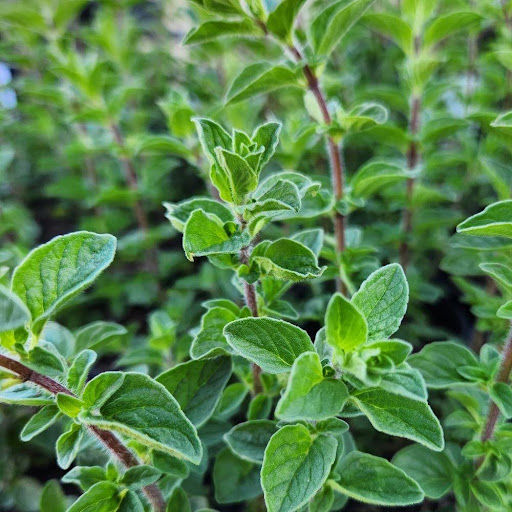
The plant commonly sold today as biblical hyssop (Hyssopus officinalis) is a European member of the mint family. However, many scholars now believe that the true hyssop of the Bible is more accurately identified as Origanum syriacum, another mint-family plant native to the Levant region. This particular Levantine cultivar has long been valued as both a culinary herb and a medicinal plant, traditionally used to support respiratory health (including coughs and bronchitis), aid digestion, and address infections and inflammation. Origanum syriacum is also widely known as za’atar, Lebanese oregano, Syrian oregano, and biblical hyssop.
Description
Origanum syriacum is a perennial, shrubby plant in the Lamiaceae (mint) family, native to the Mediterranean—particularly the Levant region, which includes present-day Lebanon, Syria, Jordan, Palestine, Israel, and surrounding areas, as well as parts of Egypt and Turkey. A staple in traditional cuisine, it is best known as a key ingredient in the Middle Eastern spice blend za’atar, valued for its pungent, savory flavor.1
This highly aromatic plant features velvety, gray-green leaves on softly hairy stems and thrives in full sun and dry, well-drained conditions. Drought-tolerant and low-maintenance, it can grow up to 2.5 feet tall and produces small white to pale pink flowers during the summer months. Beyond its culinary use, it has also been appreciated in traditional herbal practices throughout the Levant.
To better distinguish Origanum syriacum from Hyssopus officinalis, the two can be compared side by side. Hyssopus officinalis displays narrow, smooth, dark green leaves with upright spikes of vibrant blue-purple flowers. In contrast, Origanum syriacum has broader, velvety gray-green leaves, a more sprawling, shrubby form, and clusters of small white to pale pink flowers, along with the warm, pungent aroma characteristic of za’atar.

Historical Uses
Historically, Origanum syriacum has been associated with ceremonial cleansing and purification rituals, earning it the name “Biblical hyssop.” It appears in several scriptural references, including its use in applying blood to doorposts during Passover (Exodus 12:22) and in purification rites for leprosy (Leviticus 14). In John 19:29, a sponge soaked in sour wine is described as being lifted to Jesus’ mouth on a hyssop branch. The plant is also referenced symbolically in Psalm 51:7: “Purge me with hyssop, and I shall be clean; wash me, and I shall be whiter than snow.”
Beyond its biblical significance, Origanum syriacum has a long history of use in traditional Persian medicine and throughout the Middle East. Other medicinally valued species within the Origanum genus include Origanum vulgare, Origanum dictamnus, and Origanum majorana. Collectively, these plants are recognized for a wide range of therapeutic properties, including antioxidant, antimicrobial, antifungal, antispasmodic, anti-inflammatory, and analgesic effects. For thousands of years, Origanum species have been used in ethnomedicine as carminatives, stimulants, tonics, and diaphoretics, as well as in the treatment of cough, colic, irregular menstrual cycles, heart conditions, toothache, and anxiety. Emerging research also suggests potential benefits in helping to prevent complications associated with diabetes. 2
The renowned Persian physician and philosopher Ibn Sina (980–1037 AD), in The Canon of Medicine, described O. syriacum as “a good analgesic for joint pain,” noting that “chewing the leaves relieves both gum and toothache,” and that when “rubbed upon the chest it relieves bronchitis.” He further observed its beneficial effects on the liver and stomach, along with its “strong anthelmintic effect.”
Similarly, the physician, pharmacist, and astronomer Dawud ibn 'Umar al-Antaki (1534–1592 AD) wrote of the plant as “an antidote for many poisons, a carminative, for detoxification of the organism, as a blood thinner, for loss of appetite, as an anthelmintic and food preservative.” 3, 4
Constituents
The chemical profiling of various Origanum species revealed an abundance of bioactive molecules such as flavonoids, glycosides, terpenes, and phenols known to possess various pharmacological properties.5 In one study, more than one hundred different compounds were found in Origanum syriacum samples.6 The most common compound was thymol, which was detected in all essential oils, followed by γ–terpinene and carvacrol, which were found in 18 essential oils, then α-pinene, found in 17 samples, and α-terpinene, found in 16 samples. Other common compounds were p-cymene, β-pinene, caryophyllene oxide, α-terpineol, α-thujene, terpinen-4-ol, camphene, and borneol. Among all compounds in za’atar essential oils, carvacrol, thymol, α-terpinene, o-thymol, γ–terpinene, ß-myrcene, cis-sabinene hydrate, terpinen-4-ol, p-cymene, caryophyllene, and β-caryophyllene had the highest levels. Compounds with the highest variations among their levels in the studies were carvacrol, thymol, ß-myrcene, α-terpinene, cis-sabinene hydrate, γ–terpinene, and β-caryophyllene. The major components of Origanum syriacum essential oil are thymol, carvacrol, sabinene hydrate, γ-terpinene, and p-cymene.
Antimicrobial Activity
The effectiveness of various extracts of Origanum syriacum against a broad range of pathogenic microorganisms has been extensively studied, including Gram-negative and Gram-positive bacteria and fungi. In general, its carvacrol-rich content is associated with increased effectiveness against bacteria and fungi. More specifically, in a study using the essential oil of Origanum syriacum, the authors noted that an increased lipophilic content was associated with increased antibacterial activity against Gram-negative strains, while a thymol-rich content was more effective against Gram-positive ones.
In fact, the antibacterial properties of thymol and carvacrol are linked to their ability to disrupt microbial cell membranes and inhibit ATPase activity—the enzyme responsible for generating and regulating cellular energy (ATP)—thereby causing leakage of essential cellular components and a rapid depletion of ATP, ultimately compromising microbial survival and function.7
Antiparasitic Activities
The methanolic extract and essential oil of Origanum syriacum were shown to have a strong anti-parasitic activity against Acanthamoeba castellanii cysts and trophozoites.8 The essential oil was also active against gastrointestinal Anisakis simplex larvae in vitro, demonstrating Origanum syriacum as a potential therapeutic antiparasitic agent. 9 Its antiparasitic activity might be due to its phenolic compounds, such as thymol and carvacrol, flavonoids, and terpenoids.
Anticancerous Activity
Research indicates Origanum syriacum contains bioactive compounds with significant anti-cancer properties, particularly against aggressive forms of breast cancer as well as lung cancer. The herb demonstrated the ability to inhibit angiogenesis (formation of new blood vessels that feed tumors) and induce cell cycle arrest, preventing cancer cells from proliferating. The anti-cancer effects are linked to specific bioactive compounds, such as carvacrol, thymol, and rosmarinic acid, which exert their effects by:10, 11
Inducing apoptosis via the activation of the STAT3/p53 pathway.
Reducing metastasis by deactivating focal adhesion kinase (FAK).
Exerting antioxidant effects that modulate reactive oxygen species (ROS) in cancer cells.
Antioxidant Activity
Several studies found strong antioxidant activity in Origanum syriacum. Antioxidant activity protects cells from harmful free radicals and reactive oxygen species. The antioxidant activity also improves endothelial function, stimulates DNA repair, and has anti-inflammatory action. Many studies indicated that phenolic compounds and flavonoids in essential oils are responsible for their antioxidant activity. 12, 13, 14
Its potent antioxidant effect is attributed to the high content of phenolic components (mostly carvacrol and thymol) present in its extracts; it could also be due to the chemical composition of the plant extracts and the relative proportions and synergy among its constituents, which explains the different antioxidant and biological activities observed.
Anti-inflammatory Activity
Inflammation is a physiological process by which the immune system becomes activated to defend the body against harmful or foreign stimuli such as injury, infection, and oxidative stress. However, when inflammation becomes chronic, it could trigger several diseases, including cancer, cardiovascular disease, atherosclerosis, diabetes, and obesity, as well as autoimmune and neurodegenerative disorders. The triterpenoid acids oleanolic acid and ursolic acid contained in the Oreganum species are reported to possess potent anti-inflammatory activities.15,16
Safety
No adverse effect of oral administration of Origanum syriacum on blood has been found in any animal studies, which makes it a promising natural therapeutic agent with many properties.17 This is a culinary herb long used in traditional medicine, with no known side effects.
Conclusion
Origanum syriacum is an important Mediterranean plant of the Levant region that scholars have now identified as the hyssop referenced in the Bible. It is called Biblical hyssop but is a completely different plant from Hyssop officinalis, which is commonly sold as Hyssop.
Though Hyssopus officinalis is a beautiful ornamental plant, it does not share the same medicinal properties as Origanum syriacum, a plant native to the Levant region and widely used in dietary and culinary practices throughout the Middle East, with a remarkable range of therapeutic benefits. Rich in carvacrol, thymol, and other bioactive compounds, Origanum syriacum has demonstrated strong antimicrobial, antioxidant, and anti-inflammatory properties. In vitro studies have also reported antitumor effects in breast, lung, and leukemia cancer cells, along with anti-melanogenic and anti-ulcerogenic activities.
Beyond its well-documented biochemical actions, the true hyssop of the Bible—widely believed to be Origanum syriacum—has long been revered for its profound role in purification, cleansing, and restoration. This historical and symbolic significance aligns strikingly with its modern scientific profile, revealing a plant that not only nourishes and protects but also supports deep, systemic balance. As both a culinary staple and a potent medicinal herb, it stands out as a safe, effective, and accessible example of nature’s capacity to support healing on multiple levels.
References:
The Herb Society of America. Oregano and Marjoram, an Herb Society of America Guide to the Genus Origanum. 2005.
Chishti, S.; Kaloo, Z.A.; Sultan, P. Medicinal importance of genus Origanum: A review. J. Pharmacogn. Phytother. 2013, 5, 170–177.
Farhat, M.; Tóth, J.; Héthelyi, B.É.; Szarka, S.; Czigle, S. Analysis of the essential oil compounds of Origanum syriacum L. Acta Fac. Pharm. Univ. Comen. 2012, 59, 6–14.
Scarborough, John (1988). "Review of Avicenna in Renaissance Italy: The "Canon" and Medical Teaching in Italian Universities after 1500". Journal of the History of Medicine and Allied Sciences. 43 (4): 479–481.
Chishti S., Kaloo Z., Sultan P. Medicinal importance of genus Origanum: A review. J. Pharmacogn. Phytother. 2013;5:170–177.
Hüsnü Can BaŞer, K.; Kürkçüoğlu, M.; Demirci, B.; Özek, T. The essential oil of Origanum syriacum L. var. sinaicum (Boiss.) Ietswaart. Flavour Fragr. J. 2003, 18, 98–99.
Viuda-Martos, Manuel, Abd El-Nasser GS El Gendy, Esther Sendra, Juana Fernandez-Lopez, K. A. Abd El Razik, Elsayed A. Omer, and Jose A. Pérez-Alvarez. "Chemical composition and antioxidant and anti-Listeria activities of essential oils obtained from some Egyptian plants." Journal of agricultural and food chemistry 58, no. 16 (2010): 9063-9070.
Degerli, Serpil, Bektas Tepe, Ali Celiksoz, Seyda Berk, and Erdogan Malatyali. "In vitro amoebicidal activity of Origanum syriacum and Origanum laevigatum on Acanthamoeba castellanii cysts and trophozoites." Experimental Parasitology 131, no. 1 (2012): 20-24.
López, Víctor, Roman Pavela, Carlota Gómez-Rincón, Francisco Les, Fabrizio Bartolucci, Veronica Galiffa, Riccardo Petrelli et al. "Efficacy of origanum syriacum essential oil against the mosquito vector culex quinquefasciatus and the gastrointestinal parasite anisakis simplex, with insights on acetylcholinesterase inhibition." Molecules 24, no. 14 (2019): 2563.
Al-Kalaldeh, Jelnar Z., Rana Abu-Dahab, and Fatma U. Afifi. "Volatile oil composition and antiproliferative activity of Laurus nobilis, Origanum syriacum, Origanum vulgare, and Salvia triloba against human breast adenocarcinoma cells." Nutrition Research 30, no. 4 (2010): 271-278.
Ayesh, Basim M., Abdalla A. Abed, and Doa’A. M. Faris. "In vitro inhibition of human leukemia THP-1 cells by Origanum syriacum L. and Thymus vulgaris L. extracts." BMC research notes 7, no. 1 (2014): 612.
Fleisher, Alexander, and Zhenia Fleisher. "Chemical composition of Origanum syriacum L. essential oil. Aromatic plants of the Holy Land and the Sinai, part V." Journal of Essential Oil Research 3, no. 2 (1991): 121-123.
Loizzo, Monica R., Federica Menichini, Filomena Conforti, Rosa Tundis, Marco Bonesi, Antoine M. Saab, Giancarlo A. Statti et al. "Chemical analysis, antioxidant, antiinflammatory and anticholinesterase activities of Origanum ehrenbergii Boiss and Origanum syriacum L. essential oils." Food Chemistry 117, no. 1 (2009): 174-180.
Tepe, Bektaş, Dimitra Daferera, Münevver Sökmen, Moschos Polissiou, and Atalay Sökmen. "The in vitro antioxidant and antimicrobial activities of the essential oil and various extracts of Origanum syriacum L var bevanii." Journal of the Science of Food and Agriculture 84, no. 11 (2004): 1389-1396.
Shen, Diandian, Min-Hsiung Pan, Qing-Li Wu, Chung-Heon Park, H. Rodolfo Juliani, Chi-Tang Ho, and James E. Simon. "LC-MS method for the simultaneous quantitation of the anti-inflammatory constituents in oregano (Origanum species)." Journal of agricultural and food chemistry 58, no. 12 (2010): 7119-7125.
Han, N., and M. Bakovic. "Biologically active triterpenoids and their cardioprotective and anti-inflammatory effects." J Bioanal Biomed S 12, no. 005 (2015): 1948-59
Mesmar, Joelle, Rola Abdallah, Adnan Badran, Marc Maresca, and Elias Baydoun. "Origanum syriacum phytochemistry and pharmacological properties: a comprehensive review." Molecules 27, no. 13 (2022): 4272.

Bioregulatory medicine is a total body (and mind) approach to health and healing that aims to help facilitate and restore natural human biological processes. It is a proven, safe, gentle, highly effective, drugless, and side-effect-free medical model designed to naturally support the body to regulate, adapt, regenerate, and self-heal. BRMI is a non-commercial 501(c)(3) foundation and will expand and flourish with your support. Our goal is to make bioregulatory medicine a household term.
This article is for informational purposes only and is not intended to be a substitute for the direct care of a qualified health practitioner who oversees and provides unique and individualized care. The information provided here is to broaden our different perspectives and should not be construed as medical advice, diagnosis, or treatment.


