5 Adaptogenic Herbs That Ancient Healers Swore By — and Science Is Finally Proving Work

Join Dr. James Odell for Season 2 of the Science of Self-Healing Podcast! He's the medical and executive director for BRMI, as well as a practicing naturopathic doctor for over 35 years, and he's here to share with you his extensive knowledge of medicine from a different perspective.
What if the secret to handling modern stress had been hiding in nature for thousands of years? Long before pharmaceutical interventions and clinical trials, healers across India, China, Siberia, and Scandinavia were using a powerful group of herbs to help the body adapt, recover, and thrive under pressure. Today, science is finally catching up — and the results are fascinating.
In this episode of The Science of Self-Healing, we're exploring five of the most well-researched adaptogenic herbs — ashwagandha, rhodiola, holy basil, schisandra, and eleuthero — and uncovering why these ancient remedies are becoming some of the most talked-about tools in modern wellness. You'll learn how adaptogens work with your body's stress response system, why chronic stress is doing more damage to your immune system than you might realize, and how these herbs have been shown to lower cortisol, reduce fatigue, sharpen mental clarity, and strengthen immune defenses.
Whether you're feeling burned out, run down, or just looking for a natural edge in your daily health routine, this episode will give you the science-backed knowledge you need to understand what adaptogens are, how they work, and how to use them safely and effectively.
Ancient wisdom. Modern science. One powerful conversation. Let's get into it.
Transcript: 5 Adaptogenic Herbs That Ancient Healers Swore By — and Science Is Finally Proving Work
Hello, everyone, and welcome to the Science of Self-Healing podcast. For health and wellness knowledge from a different perspective. Produced by the Bioregulatory Medicine Institute, also known as BRMI. We are your source for unparalleled information about how you can naturally support your body's ability to regulate, adapt, regenerate, and self-heal. I'm your host, Dr. James Odell, the medical and executive director for BRMI, as well as a practicing naturopathic doctor for over 35 years. And remember, this podcast is for informational purposes only and is not intended to be a substitute for the direct care of a qualified health professional who oversees and provides unique and individual care. The information here is to broaden our different perspectives and should not be construed as medical advice or treatment. Let's get started.
Welcome back to The Science of Self-Healing! Today's episode is one I've been really excited to put together, because we're diving into the world of adaptogens — a fascinating group of herbs that have been used for thousands of years to help the body handle stress and stay healthy. We'll cover what adaptogens actually are, where they come from, how they work inside your body, and take a close look at five key herbs you might want to consider adding to your routine. We'll also talk about how to use them safely and how they fit into a bigger picture of overall wellness. So whether you're brand new to adaptogens or just looking to deepen your understanding, you're in the right place. Let's get into it.
Modern Stress Is Doing More Damage Than You Think
If you've ever felt like modern life is just... a lot — you're not imagining it. The constant demands of work, technology, and social obligations place enormous pressure on both the mind and body. And here's the thing: chronic stress doesn't just make you feel mentally drained. It actually compromises your immune system, leaving you more vulnerable to illness, inflammation, and long-term disease. While conventional medicine tends to focus on treating symptoms, there's a growing interest in approaches that support the body's natural ability to adapt and recover. That's exactly where herbal adaptogens come in. These are powerful, natural tools that build the body's resilience to stress while also supporting immune health — and the science behind them is genuinely compelling.
Ancient Wisdom That Modern Science Is Finally Catching Up To
Now, the concept of adaptogens might sound modern, but it's actually rooted in some of the oldest healing traditions in the world. Adaptogenic herbs have been used for thousands of years in Ayurveda, Traditional Chinese and Tibetan Medicine, and Siberian folk medicine to improve vitality, longevity, and resistance to disease. Ashwagandha, for example, has been used in India for centuries as a general tonic to enhance strength and endurance. Rhodiola was relied on by Siberian and Scandinavian populations to improve stamina and combat fatigue in some pretty brutal climates. The modern scientific definition actually came together in the 1940s, when Russian scientist Nikolai Lazarev identified substances that could increase what he called "non-specific resistance" — basically, the body's ability to cope with multiple forms of stress without harming itself. That concept was later expanded by Israel Brekhman, who studied Siberian ginseng and other adaptogens in depth. Today, adaptogens are recognized globally and are increasingly being validated through clinical research.
What Actually Makes an Herb an Adaptogen?
So what exactly makes an herb an adaptogen? There are three defining characteristics. First, they increase the body's resistance to stressors — whether those are environmental, chemical, or psychological. Second, they have a normalizing effect, meaning they help bring physiological processes back into balance, whether something is running too high or too low. A good example is cortisol: an adaptogen might reduce excessive cortisol in someone under chronic stress, while still supporting a healthy hormone response in someone dealing with fatigue. And third, adaptogens are generally safe and non-toxic even with long-term use, which sets them apart from a lot of pharmaceutical options. Some of the most well-known adaptogens include ashwagandha, rhodiola, holy basil — also called tulsi — schisandra, and eleuthero, which is sometimes called Siberian ginseng. Each one has its own unique strengths, but they all share that core ability to enhance resilience and support immune function.
How Adaptogens Work Inside Your Body
Understanding what adaptogens do starts with understanding how they work inside the body. Their primary influence is on the hypothalamic-pituitary-adrenal axis — the HPA axis — which is essentially the control center of your stress response, as well as the sympathetic nervous system, which handles that familiar fight-or-flight reaction. Through these pathways, adaptogens can modulate hormones, neurotransmitters, and immune activity all at once. One of their most studied effects is on cortisol. While cortisol is essential in short bursts, chronically elevated levels suppress immunity, increase inflammation, disrupt sleep, and impair cognition. Adaptogens like ashwagandha and rhodiola have been shown to normalize those levels. Beyond cortisol, adaptogens also deliver powerful antioxidant and anti-inflammatory effects — protecting immune cells like T-lymphocytes and natural killer cells from oxidative damage. They also act as immunomodulators, meaning they help regulate the immune system in a balanced way rather than just blasting it into overdrive. And on the mental side, they support neurotransmitter balance — serotonin, dopamine, GABA — which helps reduce anxiety, sharpen focus, and build emotional resilience.
Meet the Five Herbs That Have Stood the Test of Time
Ashwagandha — often called "Indian Ginseng"
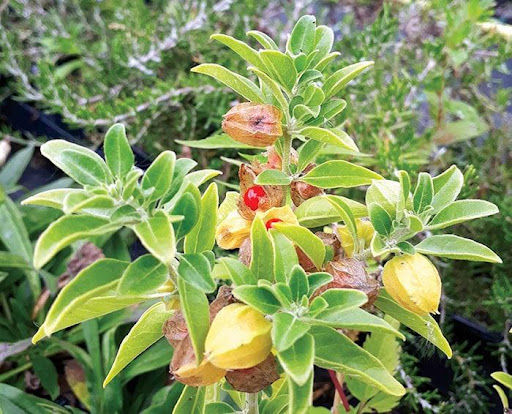
With that foundation in place, let's walk through each of the major adaptogens individually, starting with one of the most well-known: ashwagandha. Often called "Indian ginseng" — though it's not actually a ginseng species — ashwagandha is prized for its ability to reduce stress and regulate cortisol. Clinical trials have shown that standardized extracts can reduce cortisol levels by up to thirty percent in chronically stressed individuals, with participants also reporting better sleep, improved mood, and a greater sense of overall well-being. It's typically taken as a powdered root, capsule, or tincture, at a daily dose of 300 to 600 milligrams of standardized extract, and it's usually recommended in the evening since it can help prevent the nighttime cortisol spikes that interfere with restful sleep.
Rhodiola
Another heavy hitter in the adaptogen world is rhodiola, which is native to Siberia and Scandinavia. Rhodiola has long been used to fight fatigue and enhance mental clarity and endurance, especially under harsh conditions. Science backs this up — studies show it improves cognitive performance under stress, reduces both mental and physical fatigue, and increases the activity of natural killer cells, which are a critical first line of immune defense. Rhodiola is typically taken as a standardized extract containing three percent rosavins and one percent salidroside, at doses of 200 to 400 milligrams daily. Unlike ashwagandha, rhodiola is generally taken in the morning because of its more energizing, stimulating nature.
Holy Basil — or Tulsi
Moving into Ayurvedic territory, holy basil — or tulsi — is a remarkable herb with a particularly broad range of benefits. Research suggests tulsi can address physical, chemical, metabolic, and psychological stress all at once. It's been shown to protect organs and tissues from chemical stress caused by things like industrial pollutants and heavy metals, as well as physical stress from prolonged exertion and extreme temperatures. It also helps normalize blood glucose, blood pressure, and lipid levels, and has demonstrated anxiolytic and antidepressant properties — meaning it actively supports mental well-being too. On the immune side, tulsi boosts T-cell and macrophage activity, making it a well-rounded ally for resilience. It's commonly taken as a tea or in capsule form, at around 300 to 600 milligrams of extract per day.
Schisandra
Schisandra is another fascinating adaptogen, this one deeply rooted in Traditional Chinese Medicine, where it's been used as a tonic for everything from gastrointestinal issues to cardiovascular support. It's also traditionally been used for fatigue, insomnia, and even to delay aging. What makes schisandra particularly interesting is its rich concentration of bioactive compounds — lignans, triterpenes, phenolic acids, flavonoids, and polysaccharides — with lignans being the primary drivers of its medicinal effects. Animal studies suggest schisandra can increase endurance and reduce the immune suppression that comes with stress. It's typically consumed as dried berries or a standardized extract, with dosages generally ranging from 1.5 to 6 grams of dried fruit daily, or 500 to 2,000 milligrams of extract.
Eleuthero
Rounding out our adaptogen profiles is eleuthero, also known as Siberian ginseng, which is known for boosting energy, mental clarity, and immune response. Clinical research shows that eleuthero increases natural killer cell activity and helps protect against viral infections. Its active components — eleutherosides and polysaccharides — have also been linked to neuroprotective and cell-protective effects, as well as some hypoglycemic properties. A typical dose is 300 to 400 milligrams of standardized extract daily.
How to Start Using Adaptogens Without Overwhelming Your System
Now that we've covered the individual herbs, let's talk about how to actually bring them into your life in a safe and effective way. The general guidance is to start low and go slow — begin with lower doses to see how your body responds before gradually increasing. Timing matters too: stimulating adaptogens like rhodiola are best taken in the morning, while calming ones like ashwagandha are better suited for the evening. Keep in mind that adaptogens tend to build their benefits over time, so consistency over weeks is more important than any single dose. Combining multiple adaptogens can offer synergistic effects, but it's worth being thoughtful about it to avoid overstimulation. And if you're pregnant, nursing, taking medications, or dealing with an autoimmune condition, definitely check in with a healthcare professional before starting.
Adaptogens Work Best as Part of a Bigger Picture
It's also worth saying that adaptogens work best not in isolation, but as part of a broader commitment to your health. A diet rich in antioxidants, essential fatty acids, and key vitamins creates the foundation that adaptogens can build on. Regular physical activity enhances the body's stress-adaptation mechanisms naturally. Mind-body practices like meditation, yoga, and breathwork strengthen that HPA axis we talked about earlier. And adequate sleep — truly restorative sleep — is perhaps the most important piece of the puzzle, since that's when both immune function and stress recovery happen most deeply. Adaptogens shine brightest when all of these elements are working together.
The Science Is Just Getting Started — and It's Exciting
Finally, it's exciting to note that the science here is still evolving. Emerging research is looking at how adaptogens influence the gut-brain axis and gut microbiota, which may open up new insights into both immune and mental health benefits. There's also growing interest in their role in metabolic regulation — ashwagandha, for instance, may improve insulin sensitivity and help counteract stress-related metabolic dysfunction. And early evidence points to neuroprotective effects, with adaptogens potentially helping to protect neurons from oxidative stress and cognitive decline. We're really just scratching the surface of what these herbs can do.
The Takeaway: Ancient Herbs for a Modern World
So to bring it all together: in a world defined by constant stress and immune challenges, adaptogens offer a natural, evidence-supported way to build resilience and support your body from the inside out. They're not a replacement for medical care, but they can be a powerful complement to the lifestyle practices that keep you strong and healthy over the long run. With consistent use and a little informed guidance, adaptogens can genuinely help you navigate modern life with more strength, clarity, and ease.
That's all for today's episode of The Science of Self-Healing. Tune in in two weeks for our next one, and until then — be well.
Thank you for your time today, and remember that this podcast is made possible by the Bioregulatory Medicine Institute, also known as BRMI, a nonprofit, global, non political, non commercial institute to promote the science and art of bioregulatory medicine. We extend our gratitude to each and every one of you for listening today, and if you haven't already, make sure to visit us at brmi.online. A treasure trove of invaluable information awaits you there. Connect with us across various social media platforms as well. Come and become a member of our thriving tribe. If you've enjoyed today's episode, we invite you to show your support by rating us, leaving us a review, or sharing the podcast within your circle. Our podcast and mission flourish through sharing, and your participation means the world to us. Our organization is sustained by donations, each of which is tax deductible and fuels projects like this. Visit our website, brmi.online, to contribute or simply to explore the wealth of uncensored and impartial information we offer. No contribution is too small. In just two weeks, we'll be back delving into another captivating topic. Until then, we thank you once again for listening. May wellness and wisdom be your path. Be well.

Bioregulatory medicine is a total body (and mind) approach to health and healing that aims to help facilitate and restore natural human biological processes. It is a proven, safe, gentle, highly effective, drugless, and side-effect-free medical model designed to naturally support the body to regulate, adapt, regenerate, and self-heal. BRMI is a non-commercial 501(c)(3) foundation and will expand and flourish with your support. Our goal is to make bioregulatory medicine a household term.
This article is for informational purposes only and is not intended to be a substitute for the direct care of a qualified health practitioner who oversees and provides unique and individualized care. The information provided here is to broaden our different perspectives and should not be construed as medical advice, diagnosis, or treatment.