Plasmalogens: A Unique Class of Phospholipids for Brain Health, Cellular Resilience, and Healthy Aging
James Odell, OMD, ND, L.Ac.

Plasmalogens are a unique class of phospholipids characterized by the presence of a vinyl ether bond at the sn-1 position of the glycerol backbone. They are found in various tissues throughout the body, with particularly high concentrations in the brain, heart, and immune cells. Furthermore, plasmalogens are also found in subcellular membranes as well as in specialized membranes such as myelin and synaptic vesicles.
There are multiple subtypes of plasmalogens. In fact, about 10–20% of the body's phospholipids are classified as plasmalogens When plasmalogens are incorporated into the plasma membrane of the cell, they make it more fluid. Ethanolamine plasmalogens, specifically, are the most abundant type of plasmalogen in the brain, comprising up to 60% of the total phosphatidylethanolamine in the brain. They are thought to be important in neurodegenerative diseases. Another term for ethanolamine plasmalogens is plasmenylethanolamines. The choline plasmalogens are found abundantly in the heart and are thought to play a role in protecting against heart disease. These are also referred to as plasmenylcholine in some studies.
Although long considered as biological peculiarities, interest in this group of phospholipids has grown in recent years, thanks to the realization that plasmalogens are involved in different human diseases.
Plasmalogen Function
Plasmalogens are essential for cellular integrity, acting as key structural components of membranes, particularly in the brain, heart, and lungs. Ethanolamine plasmalogens are fundamental to the structure and function of cells and play a crucial role in keeping brain cell membranes healthy and functioning properly. It is estimated that plasmalogens constitute up to 20% of the phospholipids in cell membranes.
Not only do they serve as building blocks of cell membranes, but they also function as potent antioxidants protecting cells from oxidative stress, enable signaling pathways, and maintain membrane fluidity. They are essential for the proper development of the brain during early life and continue to support cognitive function throughout adulthood.
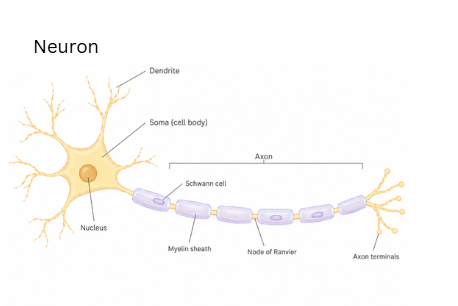
Plasmalogens make up over 50% of the neuronal cell membrane and approximately 20% of the total phospholipid mass in humans.
Summary of Key Plasmalogen Function
Neuroprotection and Cognitive Function: Plasmalogens are crucial for creating and maintaining the myelin sheath in the brain and for neuronal function, with high levels linked to lower risks of cognitive decline and Alzheimer’s disease. Particularly important in brain tissue, plasmalogens make up 31-37% of the phospholipids in myelin. Myelin is the ‘insulation’ that coats the axons in fast-firing neurons in the brain and CNS. Plasmalogens are important both for the structure of the neuron and as an antioxidant defense, keeping the myelin from being damaged by ROS.
Another way that plasmalogens are important in the brain is in neurotransmitter release in neurons. Neurotransmitters are synthesized in the neuron and then packaged into vesicles.
These vesicles are a phospholipid bilayer that surrounds the neurotransmitter. To release the neurotransmitter in the synapse of the neuron, the vesicles dock and fuse with the cell membrane. Ethanolamine plasmalogens make up part of the lipid membrane surrounding the neurotransmitters, as well as the cell membrane of the neurons. They are important in the fluidity of the membranes and in being able to easily release the neurotransmitters.
GNPAT (Glyceronephosphate O-Acyltransferase) is a key enzyme in the formation of plasmalogens. Animal models with the GNPAT gene knocked out show a generalized reduction of neurotransmitters and aberrant neurotransmitter release. The reduction in neurotransmitters included dopamine, serotonin, GABA, and norepinephrine.
Structural Membrane Fluidity and Stability: Plasmalogens are part of the phospholipid bilayer that surrounds cells. The unique structure of plasmalogens contributes to the fluidity and integrity of cell membranes, influencing membrane fusion and vesicle formation. For example, the proper fluidity of the cell membrane in neurons is essential for the release of vesicles containing neurotransmitters. Without enough of the right kind of plasmalogens to make up the cell membranes in the brain, the brain can’t function as well. Animal studies show that low plasmalogen levels cause reduced neurotransmitter release in the brain due to decreased vesicle transport.
The composition of the phospholipid membrane is also important for the release of other molecules, such as cell signaling molecules and inflammatory cytokines. Additionally, plasmalogens can be taken in and used in the cell for their fatty acids. Cell membranes are constantly in flux.
Antioxidant Protection: Plasmalogens can act as a type of phospholipid antioxidant. The vinyl ether bond in their structure can scavenge reactive oxygen species (ROS), protecting cells from oxidative stress. The cell membranes of neurons are particularly vulnerable to oxidation, and high oxidative stress in the brain can cause neurological disorders. Plasmalogens are thought to play a critical role in being able to neutralize ROS in the brain. Essentially, they act as a shield in the neuronal cell membrane, scavenging oxidized lipids. Important here, in the presence of ROS, the plasmalogens are quickly degraded. Thus, plasmalogen levels may decrease rapidly as they neutralize the oxidative stress.
Cell Signaling and Vesicle Fusion: Plasmalogens are involved in cell signaling pathways. They can be cleaved by specific enzymes to release signaling molecules that participate in diverse cellular responses. This involvement suggests a broader regulatory role in cellular communication and metabolic processes. Their participation in these pathways highlights their dynamic contribution to cellular activities beyond simple structural support. They play a key role in membrane remodeling, which is necessary for neurotransmitter release (synaptic vesicles) and muscle contraction.
Lipid Reservoir: They act as reservoirs for polyunsaturated fatty acids (such as DHA and arachidonic acid), which are released to modulate inflammatory responses.

History
The presence of plasmalogens in bacteria has been recognized for more than six decades, but the story of their discovery began much earlier. In 1924, German biochemists Robert Feulgen and K. Voit coined the term plasmalogen to describe an unknown substance that released a characteristic aldehyde upon acid treatment. More than three decades later, in 1957, George V. Marinetti and John Erbland identified the parent molecule as a glycerophospholipid containing an acid-sensitive vinyl ether bond at the sn-1 position. Subsequent investigations helped clarify the unusual chemistry of this structure. Lipid chemist David A. Ford later described the vinyl ether linkage as a "masked" aldehyde because of its ability to generate an aldehyde when exposed to acidic conditions, a characteristic that helped explain many of the unique properties of plasmalogens.
Plasmalogen and Disease
It has been shown that decreased blood and brain levels of docosahexaenoic acid (DHA) – an essential fatty acid - containing plasmalogens are associated with decreased cognition and neuromuscular function in humans. Because they decline with age, increasing plasmalogens may help improve age-related cognitive decline and overall neurological health.
Plasmalogen levels not only decrease with age but also with stress, and their deficiency is linked to conditions such as Alzheimer's, Parkinson’s, chronic obstructive pulmonary disease, and cardiovascular disease. Since the brain contains the highest concentration of plasmalogens, it is not surprising that reduced brain plasmalogens have been demonstrated in various neurodegenerative disorders. Since these play a major role in cellular protection and signaling, there is ongoing research regarding their potential as therapeutic agents.
In multiple sclerosis (MS), an autoimmune disease affecting the central nervous system, changes in plasmalogen composition within myelin have been identified. The degradation of myelin, a hallmark of MS, may be exacerbated by altered plasmalogen levels.
Investigating these lipid changes could offer new perspectives on demyelination processes and potential avenues for treatment. The integrity of myelin is closely tied to plasmalogen presence.
Plasmalogens also have implications for cardiovascular health. Research indicates that lower levels of these lipids may be associated with increased risk factors for heart disease. Their antioxidant properties and role in maintaining membrane integrity could contribute to the health of blood vessels and cardiac cells. Maintaining adequate plasmalogen levels may therefore support a healthy cardiovascular system.
Testing
Testing for plasmalogens provides valuable insight into various health conditions, particularly neurodegenerative diseases like Alzheimer’s, ALS, and multiple sclerosis. Traditionally, in the medical research literature, there are three methods for looking at plasmalogen levels in the blood: mass spectrometry, nuclear magnetic resonance (NMR) spectroscopy, and enzyme-linked immunosorbent assay (ELISA).
To date, it appears there is only one test commercially available to evaluate plasmalogen levels, the Prodrome Sciences Prodrome Scan blood test, created by Dr. Dayan Goodenowe, a long-time researcher in the field of plasmalogens. This specialized test uses resonance mass spectrometry technology to accurately measure plasmalogen levels and identify any biochemical deficiencies or imbalances. Mass spectrometry is an analytical technique that’s highly sensitive and specific. It involves ionizing the plasmalogen molecules and then identifying their mass-to-charge ratios. This allows for the in-depth analysis of plasmalogen molecular structures with high accuracy and precision.
Supplementation
A number of approaches have been proposed to upregulate or increase plasmalogen levels in the body. While most plasmalogens are made in the body, a small amount can be derived from the diet. Many commercial supplements to promote plasmalogens now come from scallops or sea squirts (ascidians). Adding more scallops to the diet may increase plasmalogens to a limited degree. Scallop-derived plasmalogens are particularly valuable because their molecular structure closely matches the plasmalogens naturally present in the human brain. They are also enriched with two important omega-3 and omega-6 fatty acids — docosahexaenoic acid
(DHA) and eicosapentaenoic acid (EPA) — which are vital for brain, eye, heart, and immune health but cannot be synthesized by the body.
While scallops are a natural food source of plasmalogens, extracting meaningful therapeutic doses from the diet alone is challenging, as it would require consuming massive quantities. Because of this, scientists and supplement manufacturers have developed purified plasmalogen extracts, often sourced from scallops or sea squirts to deliver concentrated, bioavailable doses.
Most people have eaten scallops but may not be familiar with sea squirts. Sea squirts, also known as tunicates, are marine invertebrates that have been found to contain remarkably high levels of ethanolamine plasmalogens. Research has shown that certain species of sea squirts, such as Ciona intestinalis, have plasmalogen concentrations that rival those found in the human brain. These findings have sparked interest in the potential use of sea squirts as a natural source of plasmalogens for therapeutic purposes.
Additionally, shark liver oil is a rich source of alkylglycerols that can be metabolized into plasmalogens. Several findings suggest that shark liver oil supplementation can enrich plasma and cellular plasmalogens and this enrichment may provide protection against obesity-related dyslipidemia and inflammation. Importantly, animal studies show that depleting omega-3 fatty acids causes a decrease in plasmalogen levels in the brain. Thus, supplementing with omega 3-fatty acids from fish or algae can potentially help replenish brain plasmalogens.
Plasmalogen supplements can help replenish the body’s levels of these important lipids, potentially improving overall health and reducing the risk of age-related diseases. When looking for the best plasmalogen supplement, it’s important to consider factors such as the source of the supplement, the dosage, and any additional ingredients.
The key thing to look for in a plasmalogen supplement is a high-quality source of lipids. Plasmalogens are found in a variety of animal and plant-based sources, including fish, krill, and algae. The source of the supplement can impact the bioavailability and effectiveness of the plasmalogens, so it’s important to choose a reputable brand that uses a high-quality source. In addition to the source, the dosage of the supplement is also important. While there is no official recommended daily dose of plasmalogen supplements, most brands recommend a dose of around 500 mg per day. It’s important to follow the recommended dosage and consult with a healthcare provider before starting any new supplement regimen.
It is important to consider any additional ingredients in the plasmalogen supplement. Some brands may include other nutrients or compounds that can enhance the effectiveness of the plasmalogens, while others may include unnecessary fillers or additives. It is important to read the label carefully and choose a supplement with minimal additional ingredients.
Avoid supplements that contain fillers, artificial colors, or other additives that may be harmful to your health. Plasmalogen supplements (usually sold as capsules or soft gels) are typically expensive (about $2 to $5 or more per daily serving). While expensive, plasmalogen supplements may be worthwhile for some people with life-altering conditions.
Dayan Goodenowe, PhD is a neuroscientist, synthetic organic biochemist, and author whose research has focused on the role of plasmalogens in cellular membranes and human health. His work has contributed to growing scientific interest in lipid metabolism and its relationship to cellular function across the lifespan. Dr. Goodenowe’s research has developed several oral plasmalogen precursor supplements to target plasmalogen production. ProdromeNeuro™ is a concentrated high-purity alkyl-diacylglycerol plasmalogen precursor designed to restore both C16 and C18 plasmalogens—essential brain lipids that decline with age and are significantly depleted in Alzheimer’s disease. For more information visit this website.
Summary and the Future of Plasmalogen Therapy
Early reports of plasmalogen therapy in humans appeared more than three decades ago. Recently, interest has increased, largely due to reports describing associations between plasmalogen loss and several disease states. Encouraging results have shown plasmalogen supplementation can help treat numerous types of neurological diseases and cardiovascular diseases, as well as play a part in antiaging. All of the chronic brain-related conditions, Alzheimer’s, ALS, Parkinson’s, and MS, have elevated oxidative stress due to mitochondrial dysfunction in common, which can directly lead to the continual loss of plasmalogens. While it is exciting that supplemental plasmalogens can decrease symptoms and restore brain function, preventing mitochondrial dysfunction and oxidative stress in the first place should also be a consideration.
Future work will help understand how to increase plasmalogens through targeted supplementation. By unlocking the power of these unique phospholipids, we may be able to support brain health, enhance cognitive function, and improve the experience of aging. As research continues to uncover the complexities of plasmalogens and their role in brain health, these compounds hold great promise.
References:
Albert CJ, Crowley JR, Hsu FF, Thukkani AK, Ford DA. Reactive chlorinating species produced by myeloperoxidase target the vinyl ether bond of plasmalogens: identification of 2-chlorohexadecanal. J Biol Chem. 2001 Jun 29;276(26):23733-41. doi: 10.1074/jbc.M101447200. Epub 2001 Apr 11. PMID: 11301330.
Braverman NE, Moser AB. Functions of plasmalogen lipids in health and disease. Biochim Biophys Acta. 2012 Sep;1822(9):1442-52. doi: 10.1016/j.bbadis.2012.05.008. Epub 2012 May 22. PMID: 22627108.
Fu SS, Wen M, Zhao YC, Shi HH, Wang YM, Xue CH, Wei ZH, Zhang TT. Short-term supplementation of EPA-enriched ethanolamine plasmalogen increases the level of DHA in the brain and liver of n-3 PUFA deficient mice in early life after weaning. Food Funct. 2022 Feb 21;13(4):1906-1920. doi: 10.1039/d1fo03345j. PMID: 35088775.
Fujino T., Yamada T., Asada T., Ichimaru M., Tsuboi Y., Wakana C., et al. (2018). Effects of Plasmalogen on Patients with Mild Cognitive Impairment: A Randomized, Placebo-Controlled Trial in Japan. J. Alzheimers Dis. Park. 8.
10.4172/2161-0460.1000419 [DOI] [Google Scholar
Fujino T., Yamada T., Asada T., Tsuboi Y., Wakana C., Mawatari S., et al. (2017). Efficacy and Blood Plasmalogen Changes by Oral Administration of Plasmalogen in Patients with Mild Alzheimer's Disease and Mild Cognitive Impairment: A Multicenter, Randomized, Double-Blind, Placebo-Controlled Trial. EBioMedicine 17, 199–205.
10.1016/j.ebiom.2017.02.012 [DOI] [PMC free article] [PubMed] [Google Scholar]
Goodenowe DB, Haroon J, Kling MA, Zielinski M, Mahdavi K, Habelhah B, Shtilkind L, Jordan S. Targeted Plasmalogen Supplementation: Effects on Blood Plasmalogens, Oxidative Stress Biomarkers, Cognition, and Mobility in Cognitively Impaired Persons. Front Cell Dev Biol. 2022 Jul 6;10:864842. doi: 10.3389/fcell.2022.864842. PMID: 35874835; PMCID: PMC9297104.
Goodenowe D. B., Cook L. L., Liu J., Lu Y., Jayasinghe D. A., Ahiahonu P. W. K., et al. (2007). Peripheral Ethanolamine Plasmalogen Deficiency: a Logical Causative Factor in Alzheimer's Disease and Dementia. J. lipid Res. 48, 2485–2498.
10.1194/jlr.p700023-jlr200 [DOI] [PubMed] [Google Scholar] 9
Guan Z., Wang Y., Cairns N. J., Lantos P. L., Dallner G., Sindelar P. J. (1999). Decrease and Structural Modifications of Phosphatidylethanolamine Plasmalogen in the Brain with Alzheimer Disease. J. Neuropathology Exp. Neurology 58, 740–747. 10.1097/00005072-199907000-00008 [DOI] [PubMed] [Google Scholar]
Handlin, Lucas & Sabouri, Sohelia & Luetzen, Matthew & Moutal, Aubin & Ford, David & Dai, Gucan. (2026). BPS2026 - Plasmalogen-dependent modulation of ordered membrane domains controls neuronal excitability. Biophysical Journal. 125. 194a. 10.1016/j.bpj.2025.11.1312.
Hossain M. S., Mawatari S., Fujino T. (2022). Plasmalogens, the Vinyl Ether-Linked Glycerophospholipids, Enhance Learning and Memory by Regulating Brain-Derived Neurotrophic Factor. Front. Cell. Dev. Biol. 10, 828282. 10.3389/fcell.2022.828282 [DOI] [PMC free article] [PubMed] [Google Scholar]
Kling M. A., Goodenowe D. B., Senanayake V., MahmoudianDehkordi S., Arnold M., Massaro T. J., et al. (2020). Circulating Ethanolamine Plasmalogen Indices in Alzheimer's Disease: Relation to Diagnosis, Cognition, and CSF Tau. Alzheimer's & Dement. 16, 1234–1247. 10.1002/alz.12110 [DOI] [PMC free article] [PubMed] [Google Scholar]
G.V. Marinetti, J. Kochen, J. Erbland, E. Stotz,J. Biol. Chem., 229 (1957), p. 1027
Paul S, Lancaster GI, Meikle PJ. Plasmalogens: A potential therapeutic target for neurodegenerative and cardiometabolic disease. Prog Lipid Res. 2019 Apr;74:186-195. doi: 10.1016/j.plipres.2019.04.003. Epub 2019 Apr 8. PMID: 30974122.
Lewkowicz P, Banasik M, Głowacka E, Lewkowicz N, Tchórzewski H. Modyfikujacy wpływ duzych dawek preparatu oleju z watroby rekina na polaryzacje limfocytów T i funkcje neutrofili krwi [Effect of high doses of shark liver oil supplementation on T cell polarization and peripheral blood polymorphonuclear cell function]. Pol Merkur Lekarski. 2005 Jun;18(108):686-92. Polish. PMID: 16124384.
Murphy MG, Wright V, Ackman RG, Horackova M. Diets enriched in menhaden fish oil, seal oil, or shark liver oil have distinct effects on the lipid and fatty-acid composition of guinea pig heart. Mol Cell Biochem. 1997 Dec;177(1-2):257-69. doi: 10.1023/a:1006871524271. PMID: 9450671.
Messias M. C. F., Mecatti G. C., Priolli D. G., de Oliveira Carvalho P. (2018). Plasmalogen Lipids: Functional Mechanism and Their Involvement in Gastrointestinal Cancer. Lipids Health Dis. 17, 41. 10.1186/s12944-018-0685-9 [DOI] [PMC free article] [PubMed] [Google Scholar]
Nagan, N., & Zoeller, R. A. (2001). Plasmalogens: biosynthesis and functions. Progress in Lipid Research, 40(3), 199-229. https://doi.org/10.1016/S0163-7827(01)00003-0
Senanayake V., Goodenowe D. B. (2019). Plasmalogen Deficiency and Neuropathology in Alzheimer's Disease: Causation or Coincidence? Alzheimer's & Dementia
Transl. Res. & Clin. Interventions 5, 524–532. 10.1016/j.trci.2019.08.003 [DOI] [PMC free article] [PubMed] [Google Scholar]
Paul S, Smith AAT, Culham K, Gunawan KA, Weir JM, Cinel MA, Jayawardana KS, Mellett NA, Lee MKS, Murphy AJ, Lancaster GI, Nestel PJ, Kingwell BA, Meikle PJ. Shark liver oil supplementation enriches endogenous plasmalogens and reduces markers of dyslipidemia and inflammation. J Lipid Res. 2021;62:100092. doi: 10.1016/j.jlr.2021.100092. Epub 2021 Jun 17. PMID: 34146594; PMCID: PMC8281607.
Sindelar P. J., Guan Z., Dallner G., Ernster L. (1999). The Protective Role of Plasmalogens in Iron-Induced Lipid Peroxidation. Free Radic. Biol. Med. 26, 318–324. 10.1016/s0891-5849(98)00221-4 [DOI] [PubMed] [Google Scholar]
Stadelmann-Ingrand S., Favreliere S., Fauconneau B., Mauco G., Tallineau C. (2001). Plasmalogen Degradation by Oxidative Stress: Production and Disappearance of Specific Fatty Aldehydes and Fatty α-hydroxyaldehydes. Free Radic. Biol. Med. 31, 1263–1271. 10.1016/s0891-5849(01)00720-1 [DOI] [PubMed] [Google Scholar]
Zoeller R. A., Lake A. C., Nagan N., Gaposchkin D. P., Legner M. A., Lieberthal W. (1999). Plasmalogens as Endogenous Antioxidants: Somatic Cell Mutants Reveal the Importance of the Vinyl Ether. Biochem. J. 338 ( Pt 3) (Pt 3), 769–776. 10.1042/bj3380769 [DOI] [PMC free article] [PubMed] [Google Scholar]

Bioregulatory medicine is a total body (and mind) approach to health and healing that aims to help facilitate and restore natural human biological processes. It is a proven, safe, gentle, highly effective, drugless, and side-effect-free medical model designed to naturally support the body to regulate, adapt, regenerate, and self-heal. BRMI is a non-commercial 501(c)(3) foundation and will expand and flourish with your support. Our goal is to make bioregulatory medicine a household term.
This article is for informational purposes only and is not intended to be a substitute for the direct care of a qualified health practitioner who oversees and provides unique and individualized care. The information provided here is to broaden our different perspectives and should not be construed as medical advice, diagnosis, or treatment.