The Cellular Cost of Ultra-Processed Foods

Join Dr. James Odell for Season 2 of the Science of Self-Healing Podcast! He's the medical and executive director for BRMI, as well as a practicing naturopathic doctor for over 35 years, and he's here to share with you his extensive knowledge of medicine from a different perspective.
You already know that ultra-processed foods aren't good for you. But do you know what they're actually doing inside your cells?
In this episode of The Science of Self-Healing, we take a deep look at one of the most consequential — and overlooked — consequences of the modern diet: mitochondrial dysfunction. Your mitochondria do far more than produce energy. They regulate inflammation, support detoxification, balance hormones, and govern the body's ability to heal itself. And ultra-processed foods are disrupting all of it.
From blood sugar instability and oxidative stress to gut microbiome damage, nutrient depletion, and toxic burden, we explore the cascade of mechanisms through which these foods quietly erode cellular function — often years before a chronic disease diagnosis appears.
This episode also covers what a bioregulatory approach to mitochondrial restoration actually looks like, and why healing this damage begins not in a doctor's office, but on your plate.
Transcript: The Cellular Cost of Ultra-Processed Foods
Hello, everyone, and welcome to the Science of Self-Healing podcast. For health and wellness knowledge from a different perspective. Produced by the Bioregulatory Medicine Institute, also known as BRMI. We are your source for unparalleled information about how you can naturally support your body's ability to regulate, adapt, regenerate, and self-heal. I'm your host, Dr. James Odell, the medical and executive director for BRMI, as well as a practicing naturopathic doctor for over 35 years. And remember, this podcast is for informational purposes only and is not intended to be a substitute for the direct care of a qualified health professional who oversees and provides unique and individual care. The information here is to broaden our different perspectives and should not be construed as medical advice or treatment. Let's get started.
Hello everyone and welcome to another episode of the Science of Self-Healing. In this episode I will be discussing how ultra-processed foods disrupt cellular energy and contribute to chronic disease — and it's a topic that matters more than ever, because these foods have become a dominant part of the modern diet. Grocery stores, restaurants, gas stations, and vending machines are filled with products designed for convenience, long shelf life, and hyper-palatability. While these foods may appear harmless, growing research suggests that they profoundly alter and adversely affect human metabolism and cellular function. One of the most significant consequences of a diet high in ultra-processed foods is mitochondrial dysfunction.
From a bioregulatory medicine perspective, mitochondrial dysfunction represents a gradual loss of the body's ability to self-regulate and maintain balance. Ultra-processed foods contribute to this decline through a cascade of interconnected mechanisms — each one compounding the next. Over time, these stressors impair cellular energy production and contribute to the development of chronic disease.
Central to understanding this decline are the mitochondria — and what happens to them when ultra-processed foods become a dietary staple. But first, let's take a closer look at what we actually mean when we talk about ultra-processed foods.
Defining Ultra-Processed Foods
Ultra-processed foods are industrially manufactured products that contain refined ingredients, chemical additives, preservatives, artificial flavorings, and heavily altered substances extracted from whole foods. Unlike minimally processed foods, these products often contain little nutritional resemblance to their original source ingredients.
Common examples include sugary breakfast cereals, packaged snacks, fast food, frozen meals, processed meats, soft drinks, candy, artificial sweeteners, and many protein bars or meal replacements. These foods are often high in refined sugars, industrial seed oils, sodium, and synthetic additives while lacking fiber, antioxidants, minerals, and essential nutrients.
The Problem With Ultra-Processed Foods
The human body evolved to process nutrient-dense whole foods, not chemically engineered food-like products. As a result, ultra-processed foods place significant metabolic stress on the body. Although they may provide excess calories, they often fail to supply the nutrients required for efficient cellular function.
Why Mitochondria Are Central to Good Health
To understand why that matters at such a fundamental level, we need to look at what mitochondria actually do — and why their health is so central to the health of the entire body.
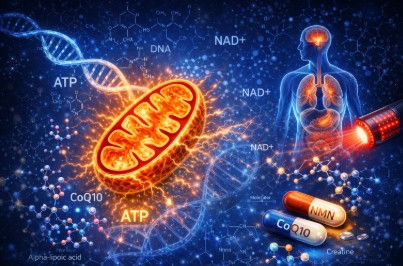
Mitochondria are microscopic organelles found in nearly every cell of the body. Their primary function is converting nutrients and oxygen into usable cellular energy through a process called oxidative phosphorylation. Organs with high energy demands, including the brain, heart, muscles, and liver, contain especially large numbers of mitochondria because they require enormous amounts of ATP to function properly.
Healthy mitochondrial activity is essential for maintaining physical energy, cognitive clarity, immune resilience, detoxification, and tissue repair. When mitochondria become damaged, energy production declines and inflammatory signaling increases. Over time, this impairs the body's ability to regulate and repair itself.
Bioregulatory medicine views energy production as foundational to healing and adaptation. When mitochondrial function declines, the body loses its ability to regulate stress effectively.
Mitochondria are also extremely sensitive to environmental and dietary stressors. Nutrient deficiencies, toxins, chronic stress, blood sugar instability, and inflammation all impair mitochondrial performance. Ultra-processed foods expose mitochondria to multiple stressors simultaneously, accelerating dysfunction over time.
How Blood Sugar Dysregulation Impairs the Mitochondria
One of the most immediate ways this happens is through blood sugar dysregulation.
Many processed foods contain refined carbohydrates and added sugars that are rapidly absorbed into the bloodstream. This causes sharp increases in blood glucose and insulin levels.
Frequent glucose spikes place enormous pressure on mitochondria. During energy production, mitochondria naturally produce reactive oxygen species, also known as free radicals. In healthy amounts, these molecules play important signaling roles within the body. However, excessive blood sugar dramatically increases free radical production, creating oxidative stress.
How Oxidative stress Damages Mitochondria
Oxidative stress damages mitochondrial membranes, proteins, and mitochondrial DNA. As mitochondrial damage accumulates, ATP production becomes less efficient and inflammation increases. The body then enters a vicious cycle in which blood sugar instability generates oxidative stress, oxidative stress damages mitochondria, and damaged mitochondria further impair metabolic regulation.
Over time, this cycle contributes to insulin resistance, obesity, type 2 diabetes, cardiovascular disease, and neurodegenerative disorders. These effects often appear long before a formal diagnosis.
Blood sugar, however, isn't the only mechanism at work here. Another significant contributor to mitochondrial damage comes from the fats used in ultra-processed foods.
Industrial Seed Oils and Mitochondria Dysfunction
Ultra-processed foods are frequently made with industrial seed oils such as soybean oil, corn oil, canola oil, sunflower oil, and cottonseed oil. These oils are highly processed and rich in omega-6 polyunsaturated fatty acids, which are unstable when exposed to heat, oxygen, and industrial manufacturing processes.
When these fats oxidize, they form harmful compounds known as lipid peroxides and aldehydes. These substances directly damage cellular and mitochondrial membranes. Because mitochondrial membranes are responsible for efficient energy production, structural damage significantly reduces ATP output.
Damaged membranes also interfere with communication between cells and disrupt inflammatory regulation.
Excessive omega-6 intake further contributes to inflammation by increasing the production of inflammatory signaling molecules within the body.
Bioregulatory medicine emphasizes the importance of membrane integrity for proper cellular communication and adaptation. When the membranes mitochondria depend on are structurally compromised, efficient energy production simply cannot follow.
And beyond blood sugar and industrial fats, there's yet another layer of concern — the synthetic additives that make ultra-processed foods shelf-stable, colorful, and hyper-palatable.
The Problem with Synthetic Additives
Ultra-processed foods contain thousands of synthetic additives that were not historically part of the human diet. Artificial flavorings, preservatives, colorants, emulsifiers, and sweeteners are now consumed daily by many individuals. Research suggests that many of these compounds may negatively affect mitochondrial health. Certain additives increase oxidative stress, alter neurotransmitter signaling, disrupt hormone balance, and damage the gut microbiome.
Artificial sweeteners, for example, have been associated with impaired glucose metabolism and changes in gut bacterial composition. Emulsifiers may weaken the intestinal barrier and contribute to intestinal permeability, while some preservatives generate inflammatory compounds within the body. Although individual exposures may seem insignificant, chronic cumulative exposure creates an increasing biochemical burden.The body's detoxification systems must continuously process and eliminate these compounds, requiring large amounts of energy and nutrients.
The Connection Between the Gut Microbiome and Mitochondria
All of this takes a particularly significant toll on the gut — and the gut, it turns out, has a profound and direct connection to mitochondrial health.
The gut microbiome plays a central role in metabolic regulation and mitochondrial health.
Beneficial gut bacteria produce compounds called short-chain fatty acids, including butyrate, which support mitochondrial energy production and help regulate inflammation.
Ultra-processed foods negatively affect the microbiome by reducing bacterial diversity and promoting inflammatory microbial species.
Diets high in sugar, refined carbohydrates, and artificial additives contribute to dysbiosis, a state of microbial imbalance within the digestive tract.
At the same time, processed foods are often low in dietary fiber, which beneficial bacteria require for nourishment. As microbial diversity declines, intestinal permeability may increase. This condition, commonly referred to as "leaky gut," allows inflammatory substances such as lipopolysaccharides to enter circulation and trigger systemic immune activation.
Inflammation generated in the gut directly affects mitochondrial function throughout the body. Inflammatory cytokines impair mitochondrial respiration and reduce ATP production, while dysfunctional mitochondria release additional inflammatory signals that perpetuate the cycle.
Compounding all of this is a more fundamental problem: most ultra-processed foods simply don't provide what mitochondria need to function.
The Nutritional Consequences of Ultra-Processed Foods
Although ultra-processed foods are calorie-dense, they are often severely lacking in essential nutrients required for mitochondrial function. Mitochondria rely on vitamins, minerals, amino acids, and antioxidants to efficiently produce energy.
Magnesium is required for hundreds of enzymatic reactions involved in ATP production. B vitamins serve as critical cofactors within the Krebs cycle and electron transport chain. Selenium, zinc, Coenzyme Q10, alpha-lipoic acid, and amino acids all play vital roles in antioxidant protection and mitochondrial metabolism.
Diets dominated by processed foods frequently lead to deficiencies in these nutrients. Even when certain products are "fortified," synthetic nutrient additions often fail to replicate the complexity and bioavailability of nutrients naturally found in whole foods.
As nutrient deficiencies worsen, mitochondrial enzymes become less efficient and energy production declines further. Many people experience fatigue, poor concentration, low stress tolerance, and chronic inflammation as a result of this cellular energy deficit. This creates a state of cellular malnutrition in which the body is overfed but undernourished.
Bioregulatory medicine views nutrient depletion as a weakening of the body's terrain. Without adequate nutritional reserves, the body loses resilience and becomes increasingly susceptible to chronic illnesses.
When all of these mechanisms — blood sugar instability, membrane damage, toxic burden, microbiome disruption, and nutrient depletion — act together over time, the consequences can be far-reaching.
The Connection Between Mitochondrial Dysfunction and Chronic Degenerative Diseases
Mitochondrial dysfunction is now recognized as a central feature of many chronic degenerative diseases. Impaired mitochondrial activity has been associated with Alzheimer's disease, Parkinson's disease, cardiovascular disease, diabetes, chronic fatigue syndrome, autoimmune conditions, infertility, depression, and cancer.
In many cases, symptoms begin years before disease is formally diagnosed. Individuals often experience exhaustion, exercise intolerance, sleep disturbances, mood changes, and cognitive dysfunction long before structural pathology becomes visible through conventional testing.
The Bioregulatory Approach to Metabolic Dysfunction
From a bioregulatory perspective, these early symptoms represent signs of impaired adaptation and declining regulatory capacity. Rather than viewing disease as an isolated event, bioregulatory medicine sees chronic illness as a progressive process of energetic and metabolic dysfunction.
Mitochondrial restoration therefore becomes a critical therapeutic focus.
With that in mind, let's talk about what a bioregulatory approach to mitochondrial health actually looks like.
Restoring mitochondrial health requires reducing inflammatory burden while supporting the body's natural repair mechanisms. A bioregulatory approach emphasizes removing obstacles to healing and restoring adaptive capacity.
Reducing ultra-processed food consumption is one of the most important first steps. Whole foods rich in vitamins, minerals, antioxidants, and healthy fats provide the raw materials necessary for mitochondrial repair. Vegetables, fruits, pasture-raised proteins, herbs, spices, fermented foods, and omega-3-rich foods all support healthier cellular function.
Stabilizing blood sugar is equally important because consistent glucose spikes accelerate oxidative stress and mitochondrial damage. Consuming balanced meals with adequate protein, fiber, and healthy fats helps improve metabolic stability and reduce inflammatory signaling.
Supporting antioxidant defenses can also help protect mitochondria from oxidative injury. Nutrients such as vitamin C, vitamin E, selenium, glutathione precursors, CoQ10, and alpha-lipoic acid may support cellular resilience and energy production.
Improving gut health is another critical component of mitochondrial restoration. Increasing dietary fiber, reducing artificial additives, and supporting microbial diversity help regulate inflammation and improve metabolic communication throughout the body.
Bioregulatory medicine may also focus on drainage and detoxification pathways to reduce toxic burden and support elimination. As inflammatory load decreases, mitochondrial function often improves and the body regains greater adaptability. Let's bring all of this together.
Concluding Thoughts
The "cost" of ultra-processed foods is far more than empty calories. They are biologically disruptive substances capable of altering cellular metabolism, increasing inflammation, and impairing mitochondrial function. Through blood sugar instability, oxidative stress, toxic burden, nutrient depletion, and microbiome disruption, these foods weaken the body's ability to regulate and heal itself.
Mitochondrial dysfunction serves as a critical link between modern dietary patterns and chronic disease development. When energy production declines, the body gradually loses resilience and adaptive capacity, paving the way for fatigue, inflammation, and degeneration.
From a bioregulatory medicine perspective, restoring mitochondrial health requires addressing the underlying terrain rather than simply suppressing symptoms. The path forward is not complicated — it begins with understanding that food is information, and that every meal either supports or undermines the energy systems that keep us well.
Healing begins at the cellular level, and mitochondria remain central to that process.
Well, that's all for this episode. Please tune in in two weeks for another episode of The Science of Self-Healing.Till then, Be Well.
Thank you for your time today, and remember that this podcast is made possible by the Bioregulatory Medicine Institute, also known as BRMI, a nonprofit, global, non political, non commercial institute to promote the science and art of bioregulatory medicine. We extend our gratitude to each and every one of you for listening today, and if you haven't already, make sure to visit us at brmi.online. A treasure trove of invaluable information awaits you there. Connect with us across various social media platforms as well. Come and become a member of our thriving tribe. If you've enjoyed today's episode, we invite you to show your support by rating us, leaving us a review, or sharing the podcast within your circle. Our podcast and mission flourish through sharing, and your participation means the world to us. Our organization is sustained by donations, each of which is tax deductible and fuels projects like this. Visit our website, brmi.online, to contribute or simply to explore the wealth of uncensored and impartial information we offer. No contribution is too small. In just two weeks, we'll be back delving into another captivating topic. Until then, we thank you once again for listening. May wellness and wisdom be your path. Be well.

Bioregulatory medicine is a total body (and mind) approach to health and healing that aims to help facilitate and restore natural human biological processes. It is a proven, safe, gentle, highly effective, drugless, and side-effect-free medical model designed to naturally support the body to regulate, adapt, regenerate, and self-heal. BRMI is a non-commercial 501(c)(3) foundation and will expand and flourish with your support. Our goal is to make bioregulatory medicine a household term.
This article is for informational purposes only and is not intended to be a substitute for the direct care of a qualified health practitioner who oversees and provides unique and individualized care. The information provided here is to broaden our different perspectives and should not be construed as medical advice, diagnosis, or treatment.